- Both F-15E crew members rescued from Iranian mountains
- Second crew member found after 30+ hours, extracted by special forces
- Trump: Iran will 'live in Hell' if Hormuz not open by Tuesday
- Iran: Strait won't reopen until 'fully compensated'
- WTI crude $112-114/barrel, Brent ~$110
- OPEC+ increases quotas by 206K bbl/day — far short of offsetting losses
- Pakistan: petrol +42.7%, diesel +54.9%
- Taiwan airlines: fuel surcharges +157%
F-15E Rescue: 30+ Hours in Iranian Mountains
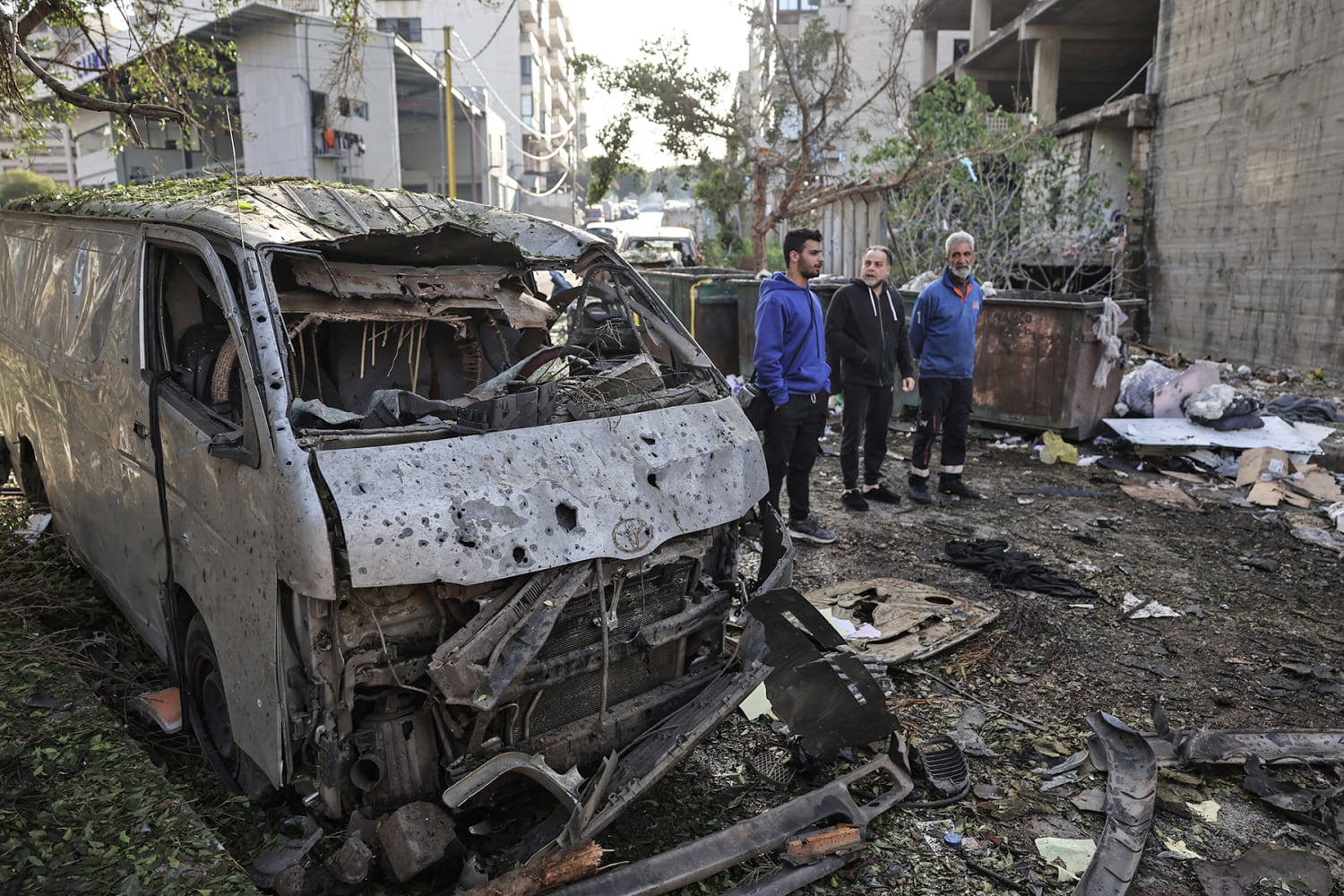
According to the Washington Post and Axios, both crew members of an F-15E Strike Eagle shot down over Iranian territory have been successfully rescued. The first crew member ejected safely and was picked up relatively quickly by search and rescue teams. However, the second crew member became separated and had to evade capture in Iran's rugged mountain terrain for over 30 hours before being located.
The rescue of the second crew member was described by Time as the most complex since the conflict began. JSOC special operators used real-time satellite intelligence and surveillance drones to track Iranian search patrols. Under cover of darkness, the special forces team moved into the mountain area, located the pilot, and extracted them safely by helicopter. This marks the first rescue operation during the conflict conducted deep inside enemy territory.
Hormuz Standoff: 'Hell' vs. 'Compensation'
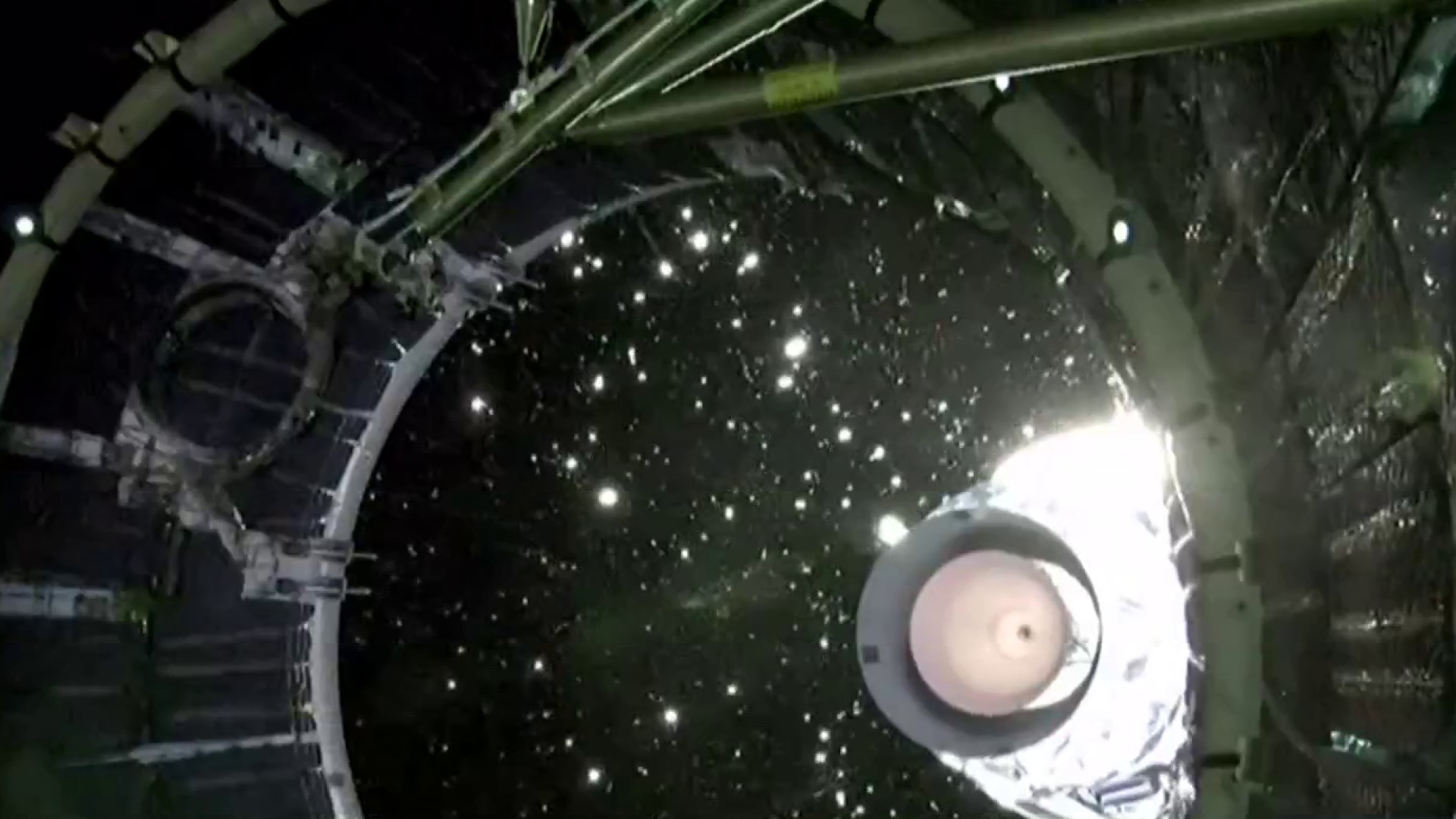
President Trump escalated his rhetoric further, declaring Iran will 'live in Hell' if the Strait of Hormuz is not reopened by Tuesday (April 7). This threat is stronger than his previous 'Power Plant Day' and 'Bridge Day' statements, suggesting growing frustration in Washington over the prolonged blockade.
Iran responded with a hardline position: the strait will not reopen until Iran is 'fully compensated' for damage caused by US airstrikes. According to CNBC, this diplomatic standoff has no clear exit ramp. Neither side has incentive to back down — Trump needs lower oil prices ahead of voter pressure, Iran needs to project strength to its domestic audience. Meanwhile, global oil trade continues to suffer severe disruption.
Global Fuel Crisis Deepens
WTI crude trades in the $112-114/barrel range and Brent at approximately $110 by Day 38. OPEC+ increased production quotas by 206,000 barrels/day, but this covers only a fraction of the volumes disrupted by the Hormuz blockade. Projected net loss reaches 630 million barrels by June 2026, creating a supply gap not seen since the 1973 oil crisis.
Fuel Impact by Country
Pakistan has been hardest hit among oil-importing nations, with petrol prices up 42.7% and diesel up 54.9%. Taiwan airlines raised fuel surcharges by 157% as oil shipping costs soar with tankers rerouting around Africa. In Vietnam, fuel prices are expected to rise an additional 2,000-3,000 VND/liter in the next adjustment period, directly impacting living costs for millions of households.
What Comes Next
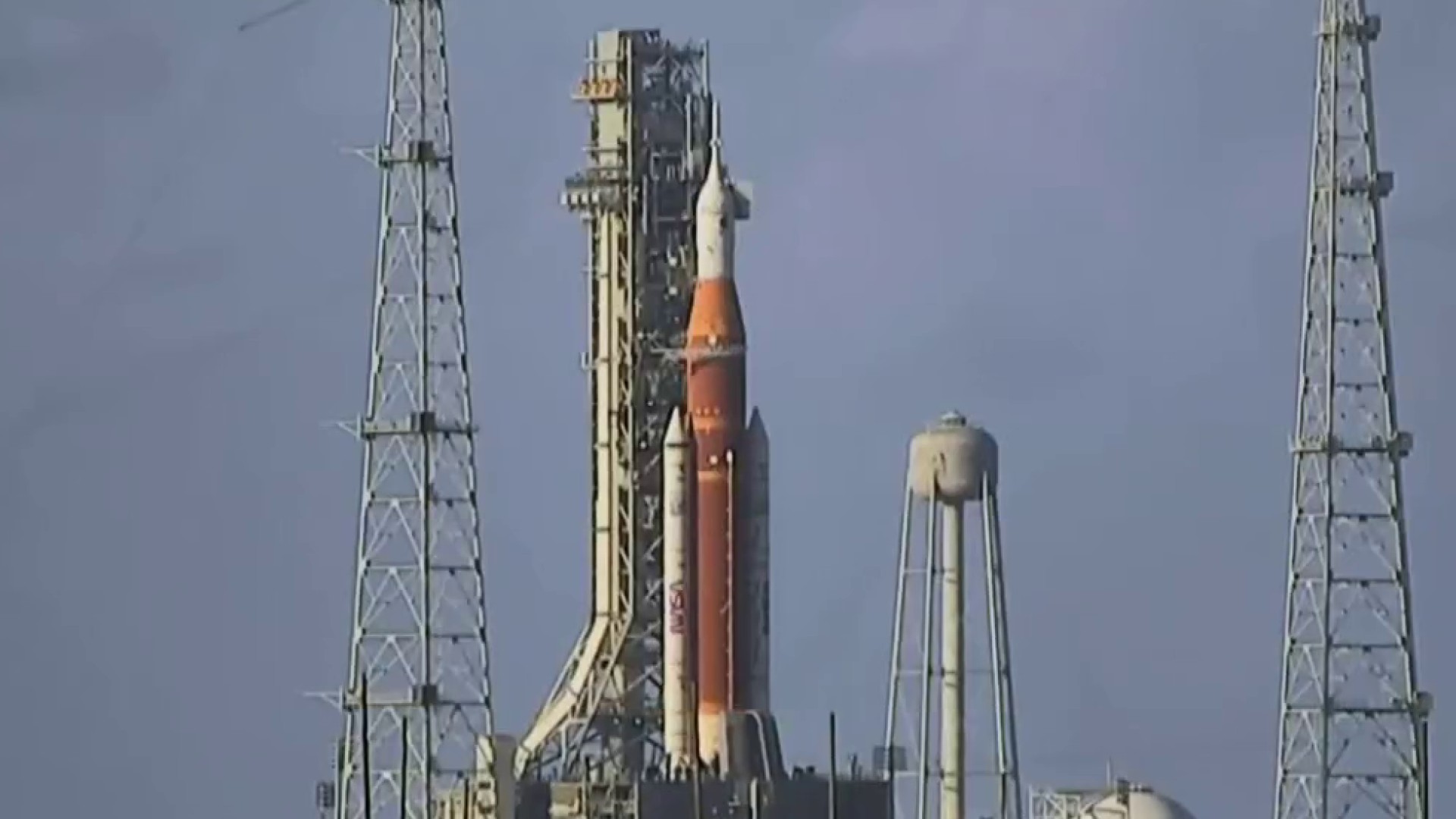
Trump's Tuesday deadline creates two scenarios: either the US escalates strikes on Iranian infrastructure (power plants, bridges) as threatened, or the threats go unfulfilled and the standoff continues. Analysts lean toward the second scenario, with possible strikes targeting limited military objectives rather than civilian infrastructure. This would keep oil prices elevated and extend the global fuel crisis for weeks.
On the diplomatic front, multiple nations are pushing both sides toward negotiations. China and India — Iran's two largest oil customers — are pressuring Iran to ease the blockade. But with both Trump and Iranian leadership facing domestic pressure, the path to a deal remains distant.
Frequently Asked Questions
References
- Washington Post — F-15E crew rescue from Iranian territory — April 6, 2026
- Axios — Second crew member rescued after 30+ hours — April 6, 2026
- CNBC — Oil and Hormuz: Trump's Tuesday deadline — April 6, 2026
- Al Jazeera — F-15E rescue mission and Iran response — April 6, 2026
- Time — Mountain rescue: A pilot's 30 hours — April 6, 2026