UN: Iran War Could Push 45 Million into Acute Hunger
The UN World Food Programme warns the US-Iran war could push 45 million more people into acute hunger by June 2026, as Strait of Hormuz closure drives up fuel and fertilizer prices globally — potentially surpassing the 2022 food crisis record.
45 Million People — The Numbers Behind the Emergency Warning
On March 17, 2026, the UN World Food Programme issued a stark warning: if the Iran war continues, an additional 45 million people could face acute hunger by June 2026. This would surpass the record set during the 2022 Ukraine food crisis, marking the worst global food emergency in recorded history.
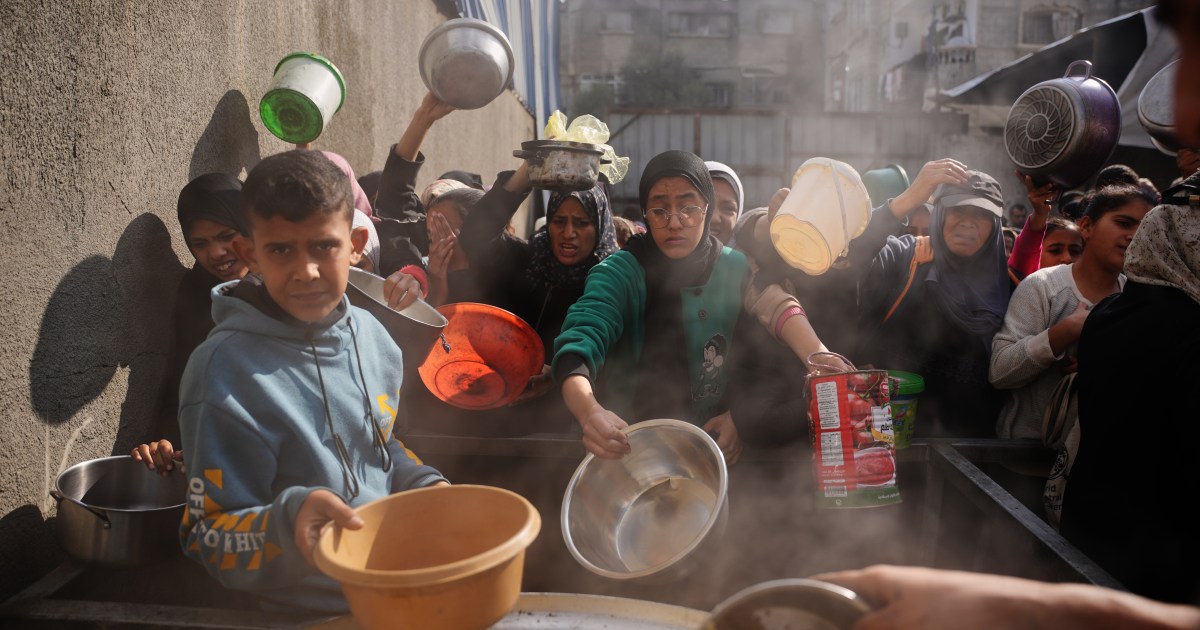
Photo: Al Jazeera — Palestinian women receiving food at community kitchen
Why Does a Gulf War Trigger Famine in Africa and Asia?
Global food insecurity does not stem from absolute food shortages but from economic shocks to food supply chains. The Iran war operates through four primary channels to turn a regional conflict into a global food emergency.
▸ A Vietnamese family spending 40% of income on food -- when rice and cooking oil prices rise 15-20%, they must cut meals or switch to less nutritious alternatives.
Learn more about the military dimensions of the conflict and its impact on global financial markets.
Strait of Hormuz Disruption
The Strait of Hormuz is the world's most critical energy chokepoint, carrying approximately 20% of global oil supply. The US-Iran conflict has disrupted this shipping corridor, triggering an energy price shock that ripples across all food systems.
Al Jazeera [1]Fertilizer Price Spiral
Natural gas is the primary feedstock for ammonia-based nitrogen fertilizer production. As natural gas prices spike alongside oil, fertilizer production costs surge, forcing farmers in vulnerable countries to reduce planted area and accept lower yields.
Food Transport Cost Spiral
Ships, trucks, and food distribution vehicles all depend on fuel. Rising oil prices directly increase the cost of moving food from production zones to consumption markets, hitting urban poor populations hardest since they rely entirely on purchased food.
Humanitarian Reserve Depletion
Two consecutive food shocks — the 2022 Ukraine war and the 2026 Iran war — have severely depleted global emergency humanitarian reserves. WFP is operating with funding significantly below what is needed to meet the escalating demand for food assistance.
UN News [2]Which Regions Are Hit Hardest?
WFP's regional analysis identifies East and Southern Africa as home to the largest absolute increase in people facing acute hunger. West Africa and South Asia are also highly vulnerable due to heavy dependence on food and fuel imports.
East & Southern Africa
West Africa
South & Southeast Asia
Other Regions
Photo: Al Jazeera / AP — Al Jazeera article image from AP
From Armed Conflict to Global Food Emergency Warning
Within fewer than three weeks of the conflict's escalation, the international community witnessed a rapid chain of events leading to the WFP's historic food crisis warning.
US-Iran Conflict Escalates
US-Iran military tếnsions escalate into direct armed conflict. Shipping routes through the Strait of Hormuz are disrupted, with immediate knock-on effects on global oil and gas prices.
IEA Releases Emergency Reserves
The International Energy Agency coordinates the release of 400 million barrels of oil from strategic petroleum stockpiles of member countries — a significant intervention that partially offsets the price shock but cannot replace the Hormuz shipping corridor.
WFP Issues Emergency Warning
The UN World Food Programme publishes its emergency assessment: if the conflict continues, an additional 45 million people could face acute hunger by June 2026, pushing total food insecure people globally above 363 million — surpassing the 2022 record.
Ongoing Humanitarian Crisis
As fertilizer and fuel prices remain elevated, vulnerable communities across East Africa, West Africa, and South Asia face acute food shortfalls. WFP and partner organizations issue urgent appeals for $4.2 billion in additional humanitarian funding.
What the World Is Doing to Prevent a Food Catastrophe
The international community has deployed a range of emergency measures to mitigate the food crisis impact, from releasing oil reserves to establishing new humanitarian funds and boosting agricultural exports.
Photo: Al Jazeera / AP — AP photo accompanying hunger crisis coverage
Coordinated strategic reserve release from member countries to partially offset Hormuz supply disruption.
Established fund providing direct food assistance and fertilizer import subsidies for the most vulnerable nations.
Issued emergency humanitarian appeal to sustain food assistance programs throughout 2026.
Major agricultural exporters increased export volumes to partially fill global supply gaps created by the crisis.
How Will This Crisis Change Global Food Systems?
Beyond the immediate humanitarian impact, the crisis is driving structural changes in how the world produces, distributes, and protects food supply from geopolitical shocks.
Green Agriculture Transition
Countries dependent on imported fossil fuels for agriculture are fast-tracking solar-powered irrigation, green ammonia fertilizer, and drought-resistant crop investments to reduce future vulnerability to energy price shocks.
IPC Classification Reform
International organizations are pushing for reform of the Integrated Food Security Phase Classification (IPC) system to include geopolitical supply chain risks as early warning trigger conditions.
Food Supply Chain Deglobalization
The crisis may accelerate deglobalization of food supply chains, with more countries investing in domestic food production capacity rather than relying on global commodity markets — a structural shift with lasting implications for trade.