Iran War Is Hitting Your Wallet: Gas Prices, Inflation, and the Fed's Impossible Choice
WTI has pushed above $114 per barrel and US pump prices are more than 40 cents higher just weeks into the Iran war. The Federal Reserve now faces a choice: cut rates or contain inflation.

Key Takeaways
- WTI crude has climbed above $114 per barrel, roughly 40% higher since the Iran war began, based on April 6-7, 2026 market data.
- US retail gasoline prices have risen more than 40 cents per gallon, noticeably increasing household commuting costs.
- The Chicago Fed president warned that inflation risks are complicating the rate path, putting the Federal Reserve in a bind.
- The Strait of Hormuz handles about 20% of global oil supply, so any disruption spills into Vietnamese pump prices as well.
- Low-income households and heavy drivers absorb the worst of the shock, both in the United States and in Vietnam.
1. The headline number: WTI at $114
WTI crude closed above $114 per barrel in the April 6-7 sessions, roughly 40% higher than before the Iran-US war began, according to data from Gulf News and Novinite. Brent tracked close behind near $111, while Russian Urals crude jumped an additional 14.6% in a single session to $121.17 as buyers worried about Middle Eastern supply disruption and rerouted orders.
→ For Vietnam, WTI near $114 almost certainly means the next retail adjustment cycle will push pump prices higher.
2. From crude wellhead to retail pump
The pass-through from crude to retail gasoline typically takes about two to three weeks in the United States. Each $10 per barrel of extra crude translates to roughly 24 cents per gallon at the pump after taxes and blending costs. With WTI jumping from around $82 before the war to above $114 now, most of the current 40-plus-cent-per-gallon retail increase is a direct crude-shock pass-through.
| Category | Pre-war | Now | Delta |
|---|---|---|---|
| US retail gasoline | $3.25/gal | $3.68/gal | +$0.43 |
| Retail diesel | $3.78/gal | $4.29/gal | +$0.51 |
| Jet fuel spot | $2.55/gal | $3.11/gal | +$0.56 |
| Heating oil | $3.40/gal | $3.92/gal | +$0.52 |
→ A US household driving 250 miles a week in a 25 MPG car pays about $4 more per week, over $200 a year, on gas alone.
Consumer Commuting Budget Calculator
Enter your driving profile to see how much the Iran war is adding to your weekly and yearly gasoline bill.
3. The Fed's impossible choice
The Chicago Fed president said inflation risks are complicating the rate picture, according to CNN. Before the war, markets priced in roughly two to three 25 basis-point rate cuts for 2026. The oil shock forces officials to rethink: cutting too early could re-ignite inflation expectations, but waiting too long could push already weak growth into recession.

4. Inflation spills into groceries
Oil is not only gasoline for cars. Roughly 15% of US food prices are tied to transportation, fertilizer, and packaging costs. With WTI at $114, major distributors say freight rates have climbed by a single-digit percentage since mid-March. Eggs, milk, produce, and meat will all face upward pressure in the second quarter, further complicating the Fed's disinflation mandate.
Vietnamese consumers feel the same pressure through imported goods, container freight, and RON 95 gasoline prices. See related coverage on the US-Iran conflict hub and Day 39: Iran ceasefire rejection.
5. The Hormuz factor: 20% of global oil through one strait
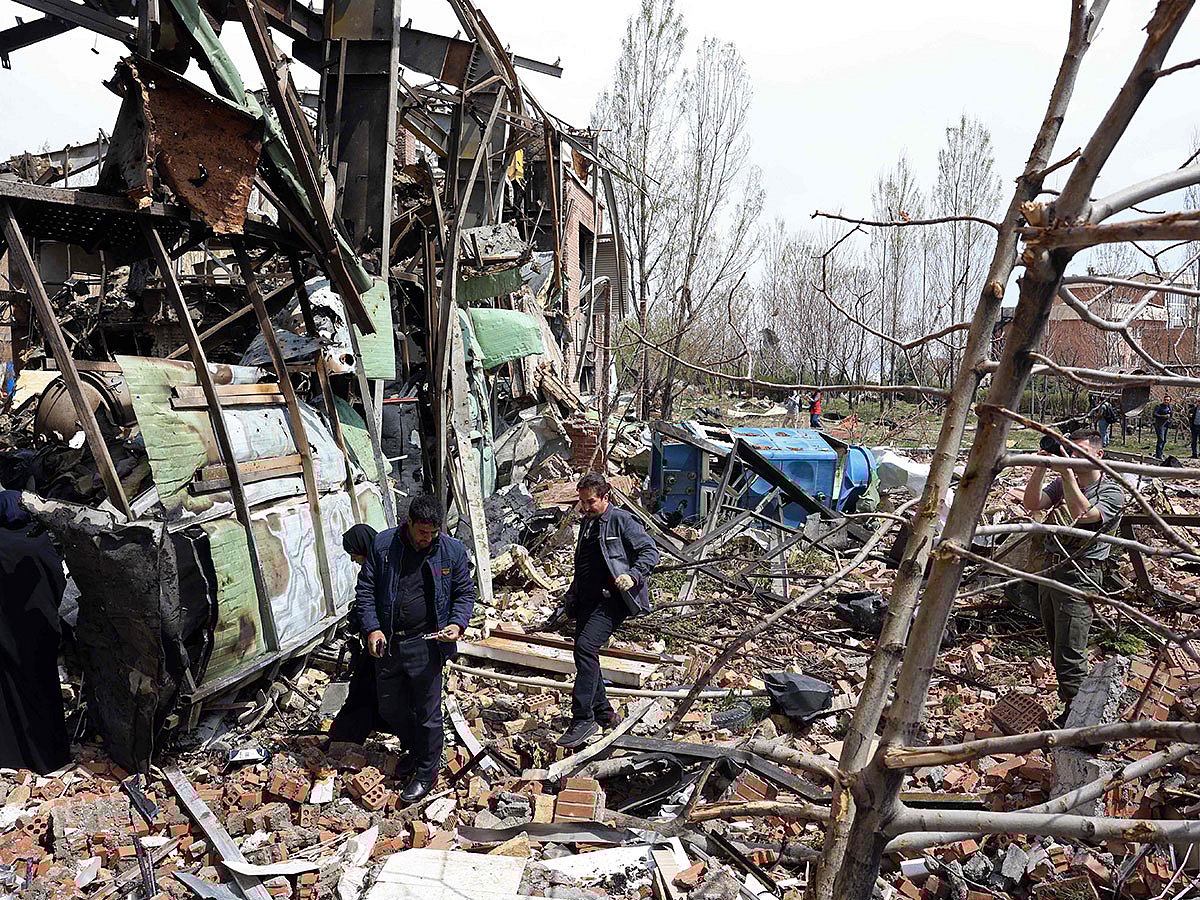
The Strait of Hormuz is only about 33 kilometers wide at its narrowest point, yet it carries roughly 20% of global oil supply every day. Tankers from Saudi Arabia, the UAE, Kuwait, Iraq, and Qatar all transit this chokepoint. Any serious threat to Hormuz, whether through mining, tanker attacks, or a temporary closure, can push WTI another $15 to $25 per barrel higher within days, according to estimates from major investment banks.
6. Who gets hit hardest?
Lower-income households spend a larger share of their budget on gasoline and heating than higher-income households, so oil shocks are inherently regressive. Long-distance commuters, rideshare drivers, farmers, and small trucking firms also absorb clear damage. In Vietnam, delivery riders, truck drivers, and suburban families can lose several hundred thousand dong per month in extra fuel spending if global oil stays elevated.
7. How long will high prices last?
Analysts are tracking three scenarios. First, a ceasefire within weeks: WTI could retreat to $95-100 by late in the second quarter. Second, a prolonged war but an open Hormuz: prices remain anchored around $110-120 for much of 2026. Third, a genuine Hormuz disruption: WTI could spike to $140-160, the worst case for both the Fed and consumers.
Whichever scenario unfolds, the Iran war has already become the largest oil-market disruption since the 1973 Arab oil embargo, according to several petroleum analysts.
References
Frequently Asked Questions
More from this topic— US-Iran Conflict
Related Topics
Stay on top of trends
Bookmark this page and check back often for the latest updates and insights.