Photo: Reuters / NBC News
Key Takeaways
- A 2-week US-Iran ceasefire took effect April 8, brokered by Pakistan, but began unraveling within hours.
- The Strait of Hormuz reopened then paused again. VP Vance warned: the ceasefire ends if Hormuz is not fully open.
- Lebanon was excluded from the deal by the US; Iran and Pakistan insist Lebanon is covered.
- Israel struck Lebanon on April 8-9: 254 killed, 1,165 injured. Hezbollah responded with rocket fire.
- Oil dropped ~$8/barrel on the announcement, then rebounded as Lebanon tensions escalated.
- Peace talks scheduled for Islamabad on April 10.
The Iran-US Ceasefire Deal: What Was Agreed
The Iran-US ceasefire announced on April 8, 2026, emerged from four days of secret Pakistan-brokered negotiations in Islamabad. It represents the first diplomatic breakthrough since direct US-Iran military conflict began in March.
Iran Obligations
- Reopen Strait of Hormuz to commercial traffic
- Halt ballistic missile launches
- Permit humanitarian corridors
- Participate in Islamabad talks April 10
US Obligations
- Pause offensive airstrikes on Iranian territory
- Reduce naval presence in the Persian Gulf
- Engage in direct talks at Islamabad
- Review easing of certain sanctions
However, according to Al Jazeera reporting on April 8, the agreement text contains deliberately ambiguous language regarding Lebanon, creating a loophole each side interprets differently.
The Lebanon Flashpoint: A Fatal Loophole
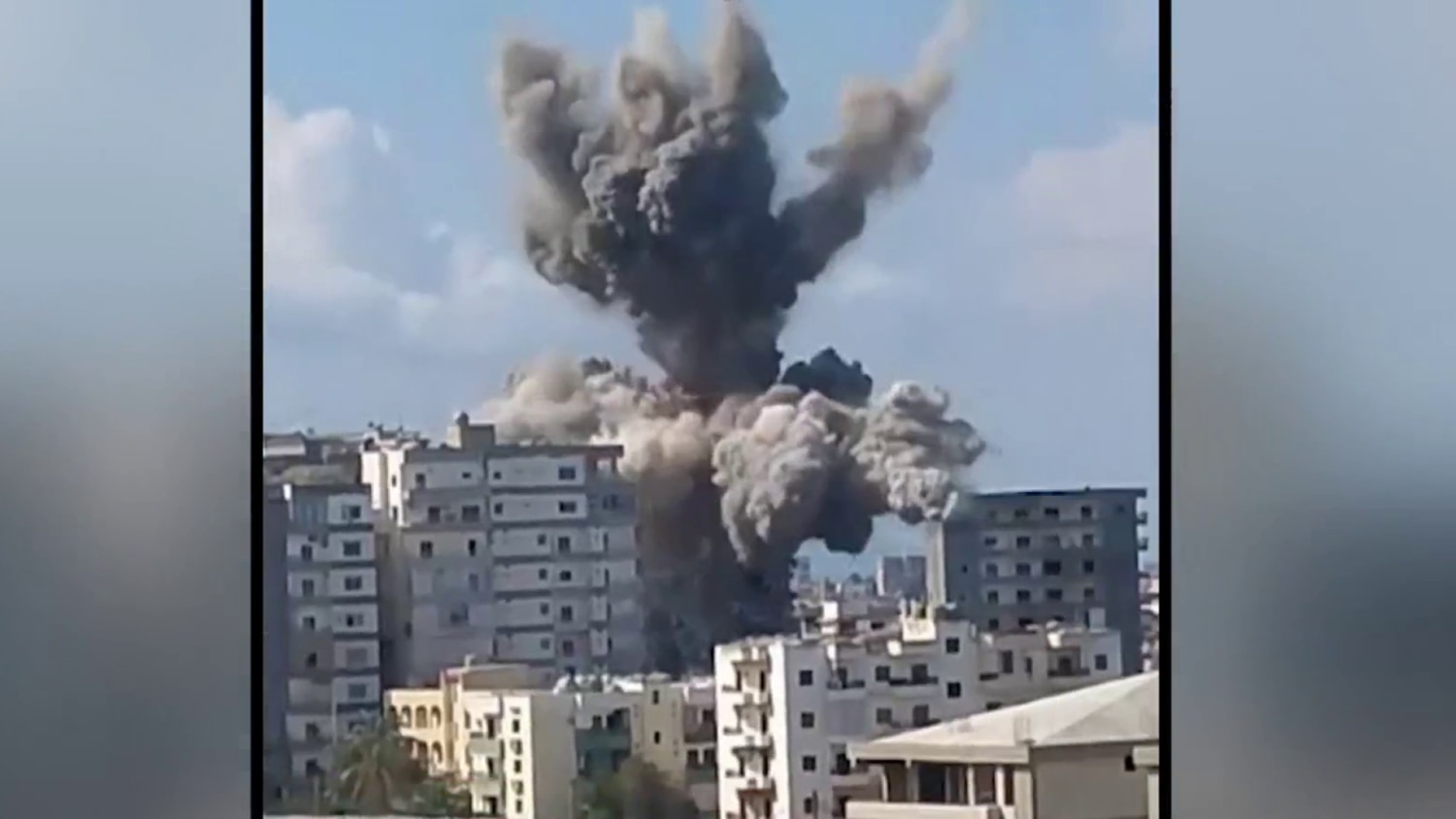
The Lebanon question rapidly emerged as the agreement's most critical vulnerability. Washington maintains the ceasefire applies only to direct US-Iran hostilities and does not cover Israeli operations in Lebanon. Tehran and Islamabad counter that any military action involving conflict parties violates the agreement's spirit.
According to NBC News on April 8, Israel conducted multiple waves of airstrikes on targets it described as Hezbollah infrastructure in southern Lebanon and Beirut's southern suburbs. Civilian casualties reached into the hundreds. Iran views this as a direct violation, while the US maintains Israeli operations fall outside the agreement's scope.
Strait of Hormuz: Open, Closed, Uncertain
The Strait of Hormuz, through which roughly 20% of the world's crude oil transits, is the single most economically significant element of the deal. Its status shifted repeatedly in the first 24 hours.
The agreement officially takes effect. Iran announces it will lift the Hormuz blockade within 12 hours.
Brent crude dropped $5/barrel immediately in Asian trading.
Iranian naval vessels withdrew from the main shipping channel. Three oil tankers passed through successfully. Oil prices dropped another $3.
Total oil price decline reached approximately $8/barrel from pre-ceasefire levels.
Following news of Israeli strikes on Lebanon, Iran announced a pause in reopening pending US clarification on Lebanon. Commercial vessels advised to hold.
Oil prices reversed, recovering more than half of earlier losses.
Vice President Vance stated the ceasefire ends if Hormuz is not fully opened. Iran responded that Hormuz status is linked to Lebanon security guarantees.
Violence Continues: Lebanon Under Fire
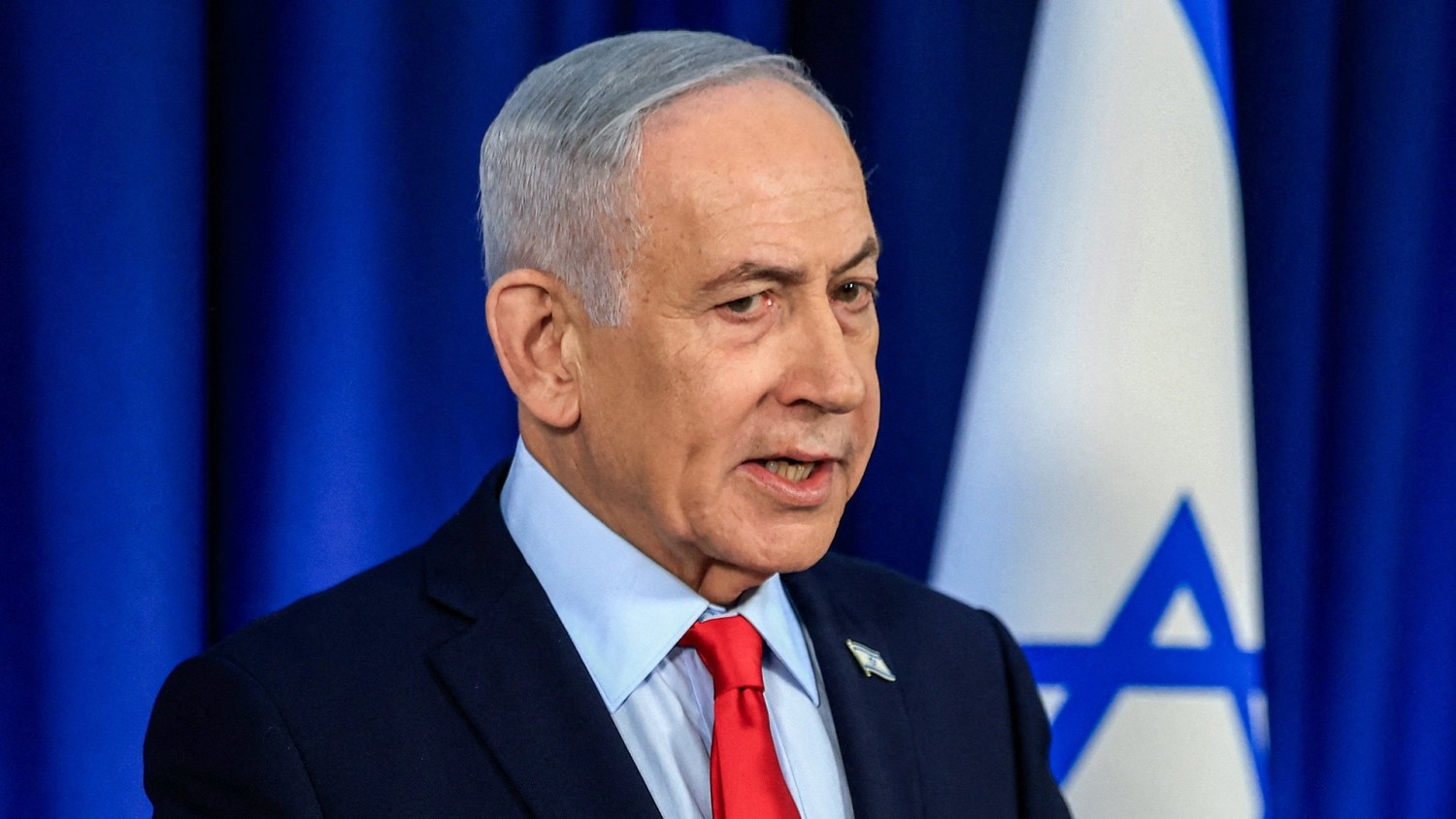
While the US-Iran ceasefire technically remains in effect, violence in Lebanon intensified sharply. Hezbollah responded to Israeli airstrikes with dozens of rockets targeting northern Israel on April 9. Israel reported damage to border towns but did not release specific casualty figures.
The United Nations on April 8 called on all parties to exercise restraint and extend the ceasefire to include Lebanon. The Secretary-General demanded an immediate humanitarian ceasefire in Lebanon to allow civilian evacuation and medical access.
ZestLab analysis: The Israel-Hezbollah escalation cycle is operating independently of the US-Iran ceasefire, creating a parallel conflict that could collapse the entire agreement. If Iran decides to provide direct military support to Hezbollah, the boundary between the Lebanon conflict and the ceasefire framework disintegrates entirely.
Oil Market Reaction: The $8 Swing
Brent crude prices reflected the chaos within a single trading session. When the ceasefire was announced, prices plunged roughly $8/barrel as the Hormuz risk premium evaporated. However, as Israel struck Lebanon and Iran paused the Hormuz reopening, prices reversed sharply upward.
Iran also announced alternative shipping routes through its southern ports to relieve pressure on the Strait. However, maritime logistics experts note these alternatives can only handle a fraction of Hormuz capacity, insufficient to stabilize markets if the Strait remains closed.
International Response: Cautious Hope
International reactions reflect an understandable caution, with parties welcoming the diplomatic breakthrough while expressing concern about the agreement's vulnerabilities.
Cautious support. Called for extending the ceasefire to Lebanon and ensuring maritime safety.
Proud of its mediating role. Committed to hosting Islamabad talks on April 10 with maximum security.
Welcomed the ceasefire, demanded extension to Lebanon. Called for humanitarian ceasefire and aid access.
Urged all parties to respect the agreement and swiftly resolve the Lebanon question.
Islamabad Talks April 10: What to Expect
Pakistan hosts the first round of direct talks between Iranian and American delegations since the conflict began. The core issues on the agenda will determine whether the ceasefire survives.
Specific schedule, monitoring mechanisms, and maritime safety guarantees.
Whether Lebanon falls under ceasefire protection. The most contentious issue.
Who monitors compliance? Role of Pakistan and the United Nations.
Aid corridors, civilian evacuation, medical access.
Three Risk Scenarios
ZestLab analysis: Three scenarios for how the situation may develop over the next 7-14 days, based on current variables.
Islamabad reaches agreement on Lebanon. Hormuz fully reopens. Israel agrees to pause operations. Oil stabilizes near pre-conflict levels. The most optimistic but least likely scenario due to lack of mechanisms binding Israel.
US and Iran maintain bilateral ceasefire. Lebanon remains a combat zone. Hormuz opens for neutral vessels but under restrictions. Oil prices remain volatile. Talks extend through week two without a final resolution.
Iran provides direct military support to Hezbollah, breaking the ceasefire boundary. Hormuz closes entirely. US resumes airstrikes. Oil surges above $120/barrel. The entire region returns to full-scale conflict.
Frequently Asked Questions
Related Coverage
References
- Al Jazeera — US-Iran ceasefire deal: What are the terms and what’s next — April 8, 2026
- NBC News — Live Updates: Iran War Ceasefire, Trump, Hormuz, Israel, Lebanon — April 8, 2026
- United Nations News — Secretary-General calls for ceasefire extension to Lebanon — April 8, 2026
- Al Jazeera — Gulf Arab nations react to Iran-US ceasefire announcement — April 8, 2026