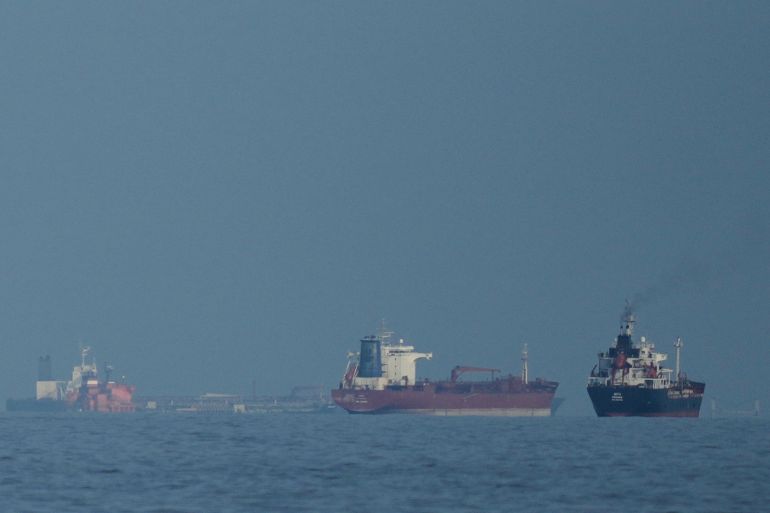
Oil at $103+ as US Navy Blockades Strait of Hormuz
Brent crude surged past $103/barrel as Trump's US Navy blockade of Iranian ports began April 14. Tanker traffic fell 87%.
Key Takeaways
US launched a full naval blockade of Iranian ports effective 10:00 AM ET on April 13, 2026.
Brent crude surged past $103/barrel — up 40% since the conflict began.
Only 17 tankers operating near Iran versus ~130 daily departures pre-conflict.
Vance-led talks collapsed after Iran demanded nuclear program recognition.
Pakistan offered to host next round of talks. Trump said Iran “wants a deal.”
Vietnam faces fuel price hikes and elevated shipping costs as a net oil importer.
Blockade Mechanics
On April 13, the US Navy formally enforced a blockade of all major Iranian oil export terminals, including Kharg Island — which handles approximately 90% of the country's crude exports. The USS Eisenhower and USS Truman carrier strike groups were deployed to control all maritime oil routes in and out of the Persian Gulf.
According to maritime tracking data, only 17 tankers were recorded in Iranian waters, an 87% decline from the average ~130 daily departures pre-conflict. Any vessel attempting to breach the blockade zone would be intercepted and inspected.
Iran labeled the blockade “an act of piracy” and a violation of international law. The Islamic Republic warned that any attempt to intercept oil tankers would be considered an act of war.
Oil Price Surge Analysis
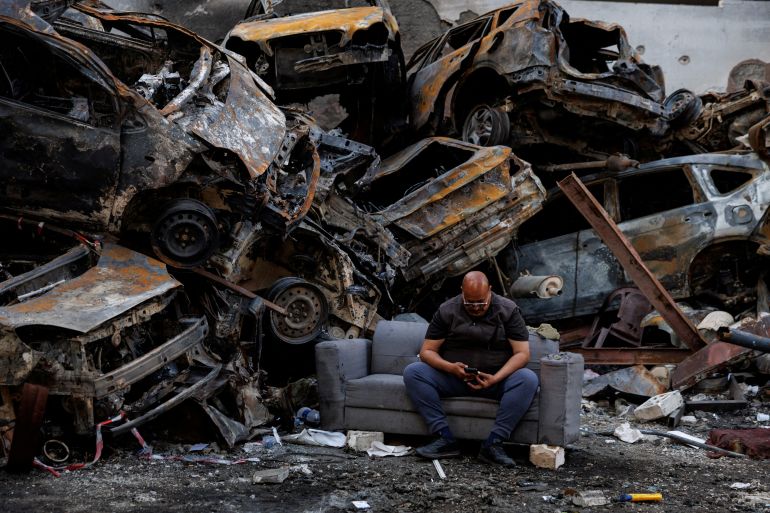
Photo: Reuters via Al Jazeera
Brent crude surged past $103/barrel immediately after the blockade took effect — the highest level since the 2022 energy crisis. This brought the total oil price increase to approximately 40% since the US-Iran conflict began in March 2026. WTI crude also jumped above $99.
Analysts warn that if the blockade persists beyond two weeks, oil could reach $110–120 as OPEC+ spare capacity is insufficient to offset the lost Iranian supply. Iran exports approximately 1.5–2 million barrels per day — a volume the market cannot quickly replace.
Oil Price Milestones
Tanker Traffic Data
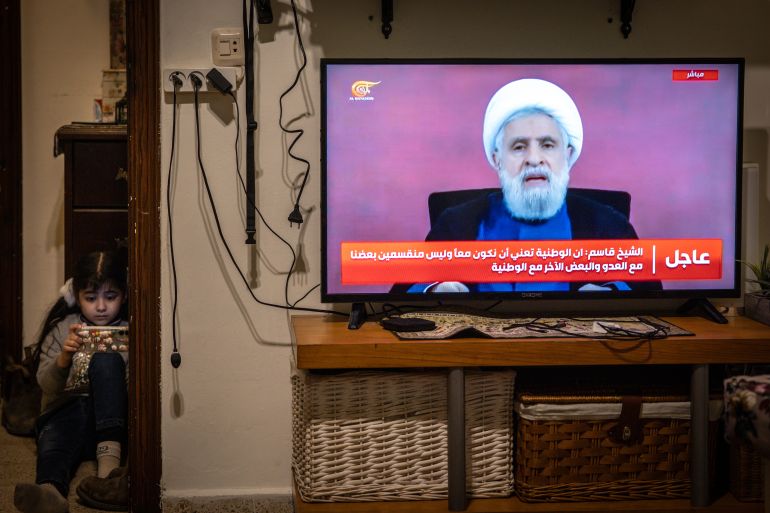
Photo: Getty via Al Jazeera
Source: Maritime tracking data as of April 13, 2026
Failed Peace Talks
Before the blockade, Vice President JD Vance led a diplomatic delegation attempting to broker a deal. However, talks quickly stalled when Iran set a precondition: the US must formally recognize Iran's nuclear program. This was a condition Washington could not accept.
President Trump declared that Iran “wants a deal” but needs to show “good faith” by dropping the nuclear precondition. Meanwhile, Pakistan proposed mediating the next round of negotiations, a move welcomed by the international community.
“Iran wants a deal. They’re going to get a deal. But they need to stop the nuclear program first.” — President Donald Trump, April 12, 2026
Iran's Response
Tehran labeled the blockade “an act of piracy” and a serious violation of the UN Convention on the Law of the Sea (UNCLOS). Iran's Foreign Ministry announced it would bring the matter before the International Court of Justice (ICJ) and called on other nations to condemn the US.
On the military front, Iran said its naval forces were on the “highest combat readiness” but emphasized it would not initiate a direct military confrontation. Instead, Iran is focusing on diplomatic and economic strategies, seeking support from China, Russia, and non-aligned nations.
Crisis Timeline
US-Iran Conflict Erupts
US strikes Iranian military facilities after terrorism financing allegations. Brent crude jumped from $73 to $79 in the first week.
→ Vietnam fuel prices rose ~500 VND/liter in the first week alone.
Escalation & Vance Talks
Conflict intensified with retaliatory strikes. Brent hit $95. VP Vance attempted negotiations but Iran demanded nuclear program recognition.
→ Persian Gulf container shipping rates tripled compared to the start of the year.
Naval Blockade Begins
US enforced a full blockade of Iranian ports from 10:00 AM ET. Brent surged past $103. Tanker traffic dropped 87% to just 17 vessels.
→ A Vietnamese household riding 30km/day could spend ~150,000 VND more per month on fuel if prices continue rising.
Pakistan Offers to Mediate
Pakistan offered to host the next round of talks in Islamabad. Trump said Iran “wants a deal.” Markets watching closely.
→ If talks succeed, oil prices could drop $10–15/barrel within days.
Global Economic Impact
Removing approximately 1.5–2 million barrels per day from global markets creates cascading effects across sectors. Persian Gulf maritime insurance premiums surged. Asian airlines face 15–20% fuel cost increases. Fertilizer and petrochemical production is also under heavy pressure.
Sectors Affected
Impact on Vietnam
Vietnam is a net crude oil importer, particularly from the Middle East. A 40% oil price increase since the conflict started means proportionally higher import costs. Retail fuel prices have been adjusted upward in recent regulatory periods. If the blockade persists, RON95 gasoline could rise another 2,000–3,000 VND/liter.
Beyond fuel, maritime shipping costs are heavily impacted. Many trade routes from Europe and the Middle East to Vietnam pass through the Persian Gulf. 40ft container rates have doubled or tripled, pushing up import goods prices.
→ A Vietnamese household riding 30km/day could spend ~150,000 VND more per month on fuel. Imported consumer goods prices may also rise 5–10% in the coming quarter.
What Happens Next?
The situation hinges on three key factors: (1) whether Pakistan-mediated talks materialize, (2) OPEC+ response on production increases to offset the gap, and (3) whether Iran escalates militarily to break the blockade.
Possible Scenarios
Pakistan talks succeed, blockade lifts in 1–2 weeks. Oil drops to $85–90.
Blockade lasts 3–4 weeks, slow diplomacy. Oil fluctuates $100–110.
Iran closes Strait of Hormuz or engages militarily. Oil exceeds $120. Global energy crisis.
Frequently Asked Questions
Related Coverage
References
Disclaimer: Information in this article is compiled from sources updated as of April 14, 2026. The situation may change rapidly. ZestLab analysis does not constitute financial advice.
More from this topic— US-Iran Conflict
Related Topics
Stay on top of trends
Bookmark this page and check back often for the latest updates and insights.