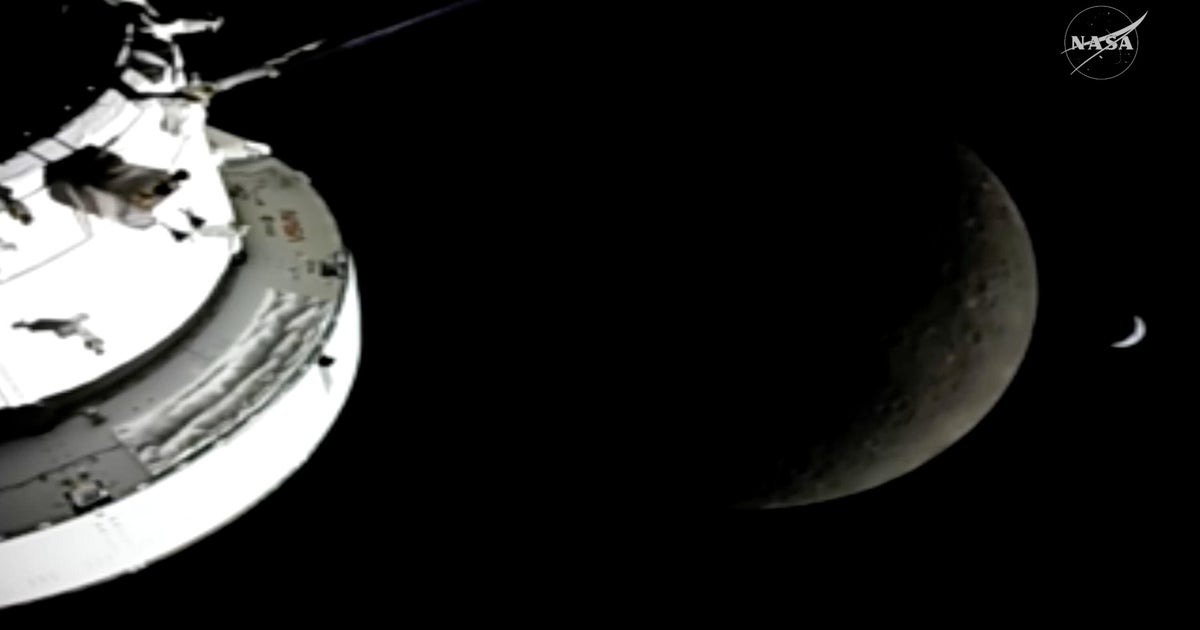
Artemis II Day 9: Orion Crew Heads Home After 252,756-Mile Record
With the historic lunar flyby complete, Artemis II astronauts begin the return journey to Earth on Day 9. Splashdown expected April 18-19, 2026.
Published: April 9, 2026
Photo: NASA/AP via CBS News
Key Takeaways
- 01Artemis II crew broke the Apollo 13 distance record on April 6 -- reaching 252,756 miles from Earth, surpassing the 1970 record by 4,111 miles.
- 02Four astronauts (Wiseman, Glover, Koch, Hansen) became the first humans to see the Moon's far side with their own eyes.
- 03Orion's closest lunar approach was 4,067 miles, and the crew witnessed a 1-hour solar eclipse behind the Moon.
- 04Day 9: the return journey to Earth has begun. Splashdown expected in the Pacific Ocean around April 18-19.
- 05This mission paves the way for Artemis III -- the first crewed lunar landing since Apollo 17 in 1972.
Mission Stats
The 56-Year Record, Broken
On April 6, 2026, as the Orion spacecraft reached 252,756 miles (406,711 km) from Earth, the Artemis II crew officially shattered the record for the farthest distance humans have traveled in space. The previous record belonged to the Apollo 13 crew, who reached 248,655 miles in 1970 during their emergency lunar flyby after a critical systems failure.
Lovell, Swigert, Haise — emergency trajectory after oxygen tank failure
Wiseman, Glover, Koch, Hansen — surpassed record by 4,111 miles
The key difference: Apollo 13 reached its distance during a life-threatening emergency. Artemis II broke the record deliberately, exactly as planned.
The Crew
Reid Wiseman
CommanderFormer U.S. Navy test pilot. ISS Expedition 41 veteran (2014).
Victor Glover
PilotFirst African American on a lunar mission. SpaceX Crew-1 veteran.
Christina Koch
Mission SpecialistHolds record for longest single spaceflight by a woman (328 days). First woman to fly around the Moon.
Jeremy Hansen
Mission Specialist (CSA)Canadian astronaut, former CF-18 fighter pilot. First spaceflight.
Mission Timeline
Successful Launch
SLS rocket launched from Kennedy Space Center, Florida. Orion spacecraft separated from upper stage and began its journey to the Moon.
The second SLS launch, marking the return of crewed flights on NASA's launch system since the Space Shuttle program.
Lunar Transfer Orbit
Orion fired its engines to enter a trans-lunar trajectory. Crew conducted life support system checks.
All systems nominal -- a promising sign for longer-duration missions ahead.
Closest Lunar Approach
Orion flew within 4,067 miles (6,545 km) of the Moon. The crew became the first humans to see the lunar far side with their own eyes.
Christina Koch became the first woman, and Jeremy Hansen the first Canadian, to fly around the Moon.
Solar Eclipse Behind the Moon
While transiting behind the Moon, the crew witnessed a roughly 1-hour solar eclipse as the Moon blocked the Sun. They also observed 4 meteor impact flashes on the surface.
Invaluable planetary science data -- rare opportunities to directly observe such events.
Apollo 13 Record Broken
Orion reached 252,756 miles from Earth, officially shattering Apollo 13's record of 248,655 miles set in 1970.
The new record exceeded the old one by 4,111 miles -- and the critical difference is this time it was planned, not an emergency.
Return Journey Begins
After completing all orbital tests, the crew initiated the engine burn to place Orion on its Earth-return trajectory.
The crew now prepares for atmospheric reentry -- the mission's greatest remaining challenge.
Expected Splashdown
Orion is expected to splash down in the Pacific Ocean. The heat shield will endure temperatures of approximately 2,760 degrees Celsius during reentry at nearly 40,000 km/h.
The first time Orion's heat shield is tested with crew aboard -- essential data for Artemis III.
A Solar Eclipse Seen From Behind the Moon
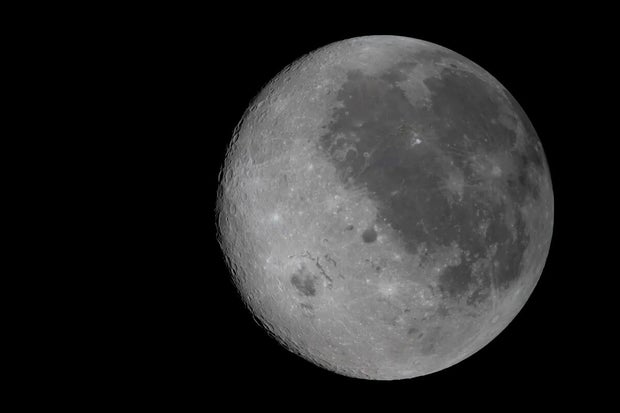
Photo: NASA/CBS News
One of the mission's most remarkable moments occurred as Orion transited behind the Moon. For approximately one hour, the Moon completely blocked the Sun, creating a solar eclipse phenomenon no astronaut had ever witnessed from this vantage point before.
During this period, the crew also documented 4 meteor impact flashes on the lunar surface -- brief flickers of light visible to the naked eye from such close range. This data is immensely valuable for planetary science, as meteor impacts on the Moon are rarely observed directly.
Return Trajectory
On mission day 9, the crew performed a critical engine burn to place Orion on its Earth-return trajectory. The return journey takes approximately 9-10 days, bringing the total mission duration to roughly 18-19 days.
The Reentry Challenge
Orion's AVCOAT heat shield will endure extreme temperatures during atmospheric reentry. This is the first time the system is tested with crew aboard -- a critical milestone before Artemis III attempts a lunar landing.
Photo: NASA/CBS News
Splashdown Plans
Orion is expected to splash down in the Pacific Ocean around April 18-19, 2026. The USS Portland and NASA's recovery team will be stationed at the landing zone to retrieve the spacecraft and welcome the crew.
Why This Matters for Artemis III
Artemis II is far more than a trip around the Moon. It is a comprehensive test flight for every system that Artemis III will rely on when it lands astronauts on the lunar surface -- the first crewed landing since Apollo 17 in 1972.
Every system validated by Artemis II brings us one step closer to the ultimate goal: returning humans to the lunar surface for the first time in over half a century.
More from this topic— Space Missions 2026: Moon, Mars & Beyond | ZestLab
Related Topics
Stay on top of trends
Bookmark this page and check back often for the latest updates and insights.