Artemis II Moon Flyby 2026: 252,756 Miles — Farthest Humans Have Ever Flown
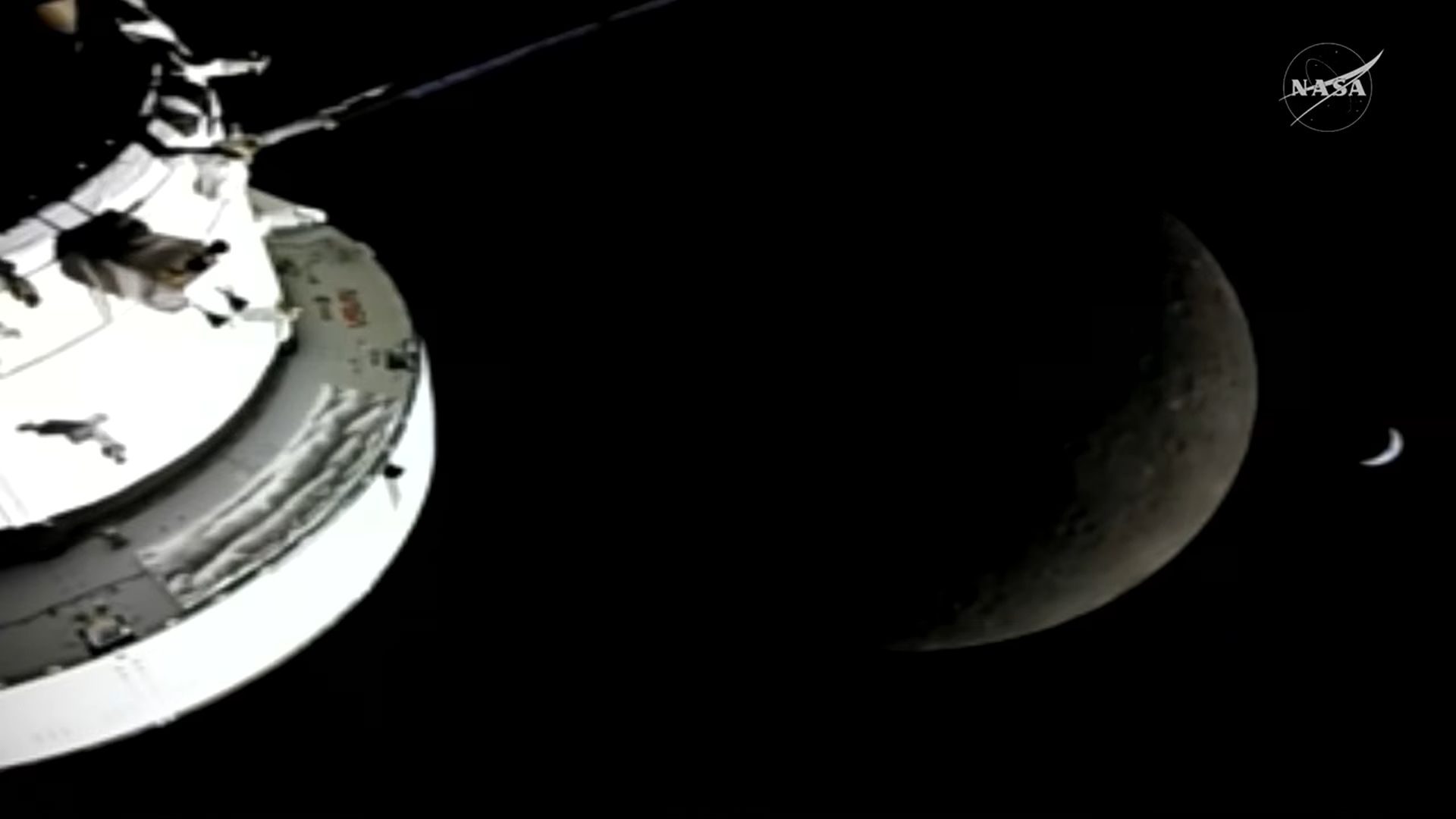
On April 6, 2026, the Artemis II crew shattered Apollo 13's 56-year-old record. Four astronauts became the first humans to see the Moon's far side with their own eyes and to witness a solar eclipse from cislunar space.
Published: April 8, 2026 · ZestLab Science
Key Takeaways
- Artemis II hit 252,756 miles — the farthest humans have ever flown, beating Apollo 13 after 56 years.
- Four astronauts: Wiseman, Glover, Koch (NASA) and Hansen (CSA — first Canadian to fly near the Moon).
- Crew passed within ~4,067 miles of the lunar surface — first humans to see the far side directly.
- Witnessed roughly 54 minutes of solar eclipse totality as the Moon blocked the Sun from Orion's view.
- This is a test flight of Orion + SLS — no landing; Artemis III will be the first crewed surface mission.
- Splashdown planned around April 11, 2026 in the Pacific off Baja California.
Eclipsing the Apollo 13 record
For more than half a century, the farthest humans had ever traveled from Earth was 248,655 miles — set by Apollo 13 in April 1970 under emergency conditions. After a service module explosion, NASA had to whip the crew around the Moon on a free-return trajectory, accidentally pushing them farther than anyone before. For 56 years, no human matched it.
On April 6, 2026, Artemis II changed that. Orion's trajectory was engineered to deliver both a safe flyby and a new apogee: 252,756 miles. The distance was not an accident — it was a record by design.
→ ZestLab analysis: the 4,101 mile gap is just 1.65% farther — small in percentage, but enough to turn a routine flyby into a historic milestone.
Four humans, first crew back to the Moon
The first crew to leave low Earth orbit since Apollo 17 in 1972.
10 days to the Moon and back
SLS Block 1 punches Orion out of Earth orbit. ICPS upper-stage separation goes clean, putting the crew on a translunar trajectory.
→ First time since 1972 humans leave low Earth orbit.
Crew runs life-support, navigation and deep-space comms checks. A historic ship-to-ship call with the ISS crew is conducted.
→ Orion pulls away from Earth at roughly 1,500 km per hour.
Orion hits a fresh apogee — farther from Earth than any crewed vehicle in history. The crew passes within ~4,067 miles of the lunar surface and becomes the first humans to see the far side with their own eyes.
→ Beats the 56-year-old Apollo 13 record by 4,101 miles.
After the lunar slingshot, gravity pulls Orion back toward Earth. The crew confirms a successful return burn.
→ Closing speed with Earth begins to climb — building toward 24,500 mph at re-entry.
Orion is expected to re-enter and splash down off Baja California, closing out the test flight that clears the path for Artemis III.
→ Re-entry heat data will set the timeline for the Artemis III landing in 2027.
54 minutes of eclipse in cislunar space
As Orion swept behind the Moon, the geometry produced something no human had ever seen: the Moon completely blocked the Sun from the spacecraft's perspective for about 54 minutes. No prior crew had ever been in the right place to watch it happen.
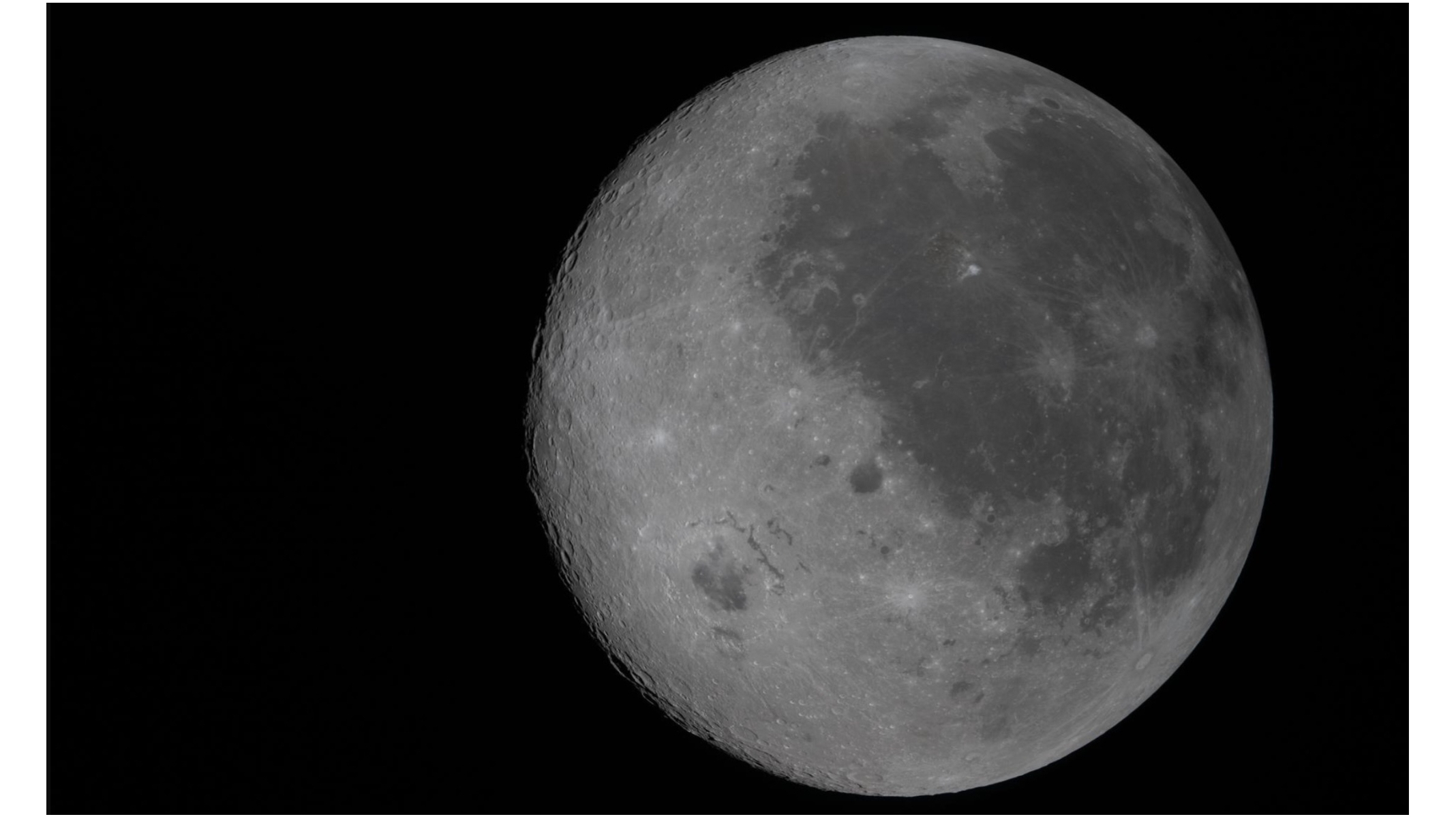
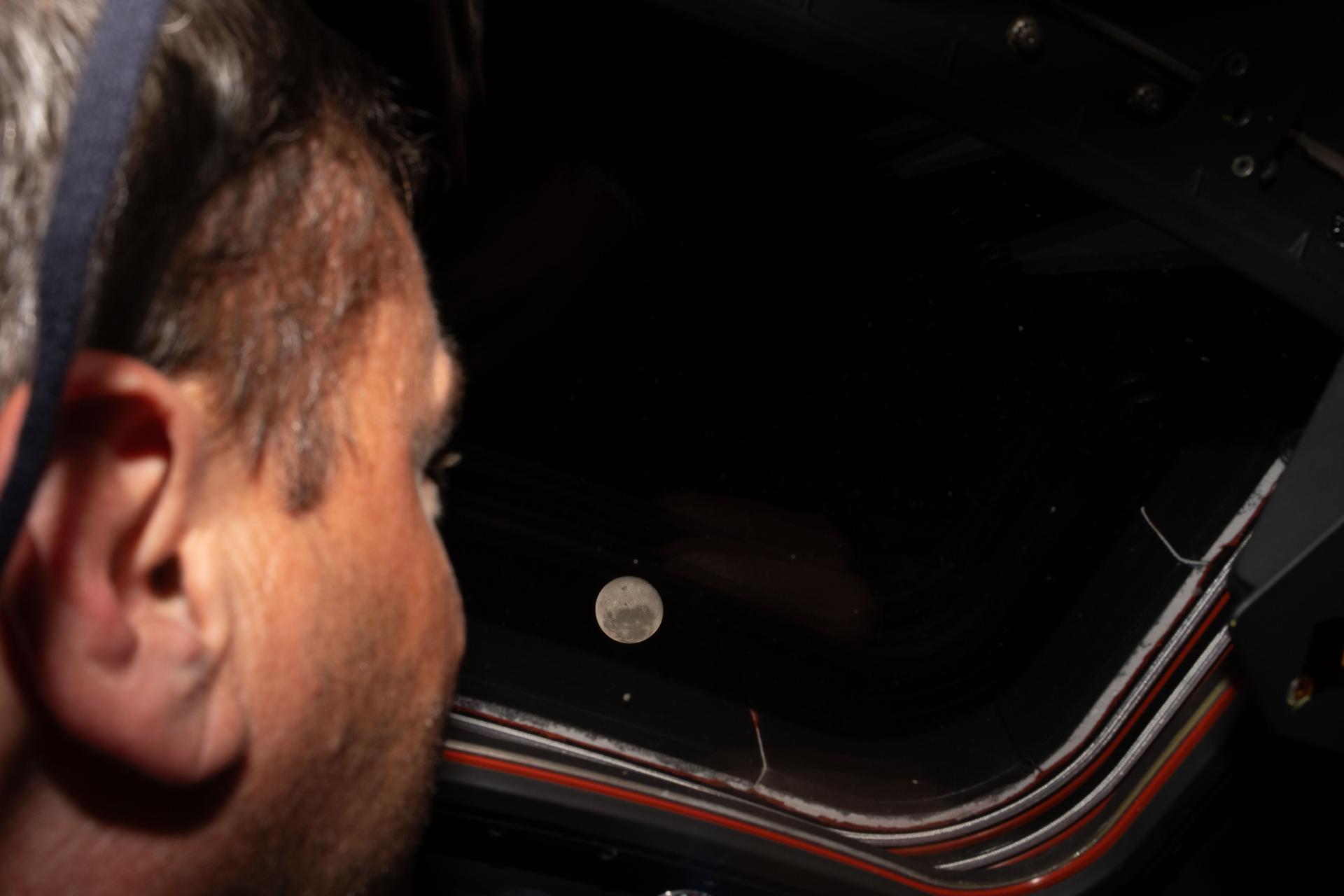
According to NASA, this was also the first time humans directly viewed the Moon's far side — the hemisphere permanently turned away from Earth. Every prior Apollo mission only photographed it through capsule windows and onboard cameras.
Why this flight matters
Artemis II is not just a record — it is the final exam for the entire Artemis architecture. If Orion's heat shield, long-duration life support and deep-space navigation perform as modeled, NASA gains the real-world dataset it needs to attempt a crewed landing with Artemis III.
Every second of telemetry coming back from Orion matters: cabin temperatures, radiation exposure, ECLSS behavior, navigation accuracy, comms stability over the Deep Space Network. None of those can be fully validated by ground simulation.
Per NASA, Artemis III is expected to land two astronauts at the lunar south pole — near water-ice deposits that could supply a future base. Data from Artemis II will determine whether that 2027 schedule holds or slips.
What's next
Orion is expected to re-enter and splash down in the Pacific off Baja California.
NASA reviews re-entry heat data, capsule wear and crew health — initial reports within weeks.
Crewed lunar south pole landing — currently targeted for 2027, contingent on Artemis II data.
Vietnam angle
The 252,756-mile distance equals about 406,769 km — roughly 254 times the Hanoi to Ho Chi Minh City span (1,600 km). At that distance, a radio signal takes about 1.36 seconds each way to reach Earth. For Vietnamese viewers, the record-breaking moment fell during the early morning and midday of April 6, 2026 local time, with NASA TV providing a live feed.
Frequently Asked Questions
Related coverage
References
- [1] NASA — Artemis II Crew Eclipses Record for Farthest Human Spaceflight (April 2026)
- [2] NASA Blog — Artemis II Flight Day 6 Lunar Flyby Updates (April 6, 2026)
- [3] Space.com — Artemis 2 astronauts head toward Earth after record-breaking Moon flyby
- [4] NPR — Artemis lunar flyby complete, crew heading home (April 7, 2026)
- [5] CBS News — Artemis Moon Lunar Flyby Live Updates
More from this topic— Space Missions 2026: Moon, Mars & Beyond | ZestLab
Related Topics
Stay on top of trends
Bookmark this page and check back often for the latest updates and insights.