KEY TAKEAWAYS
- Planned Day 3 trajectory correction burn CANCELLED — Orion's path is perfectly precise after the Day 2 TLI burn
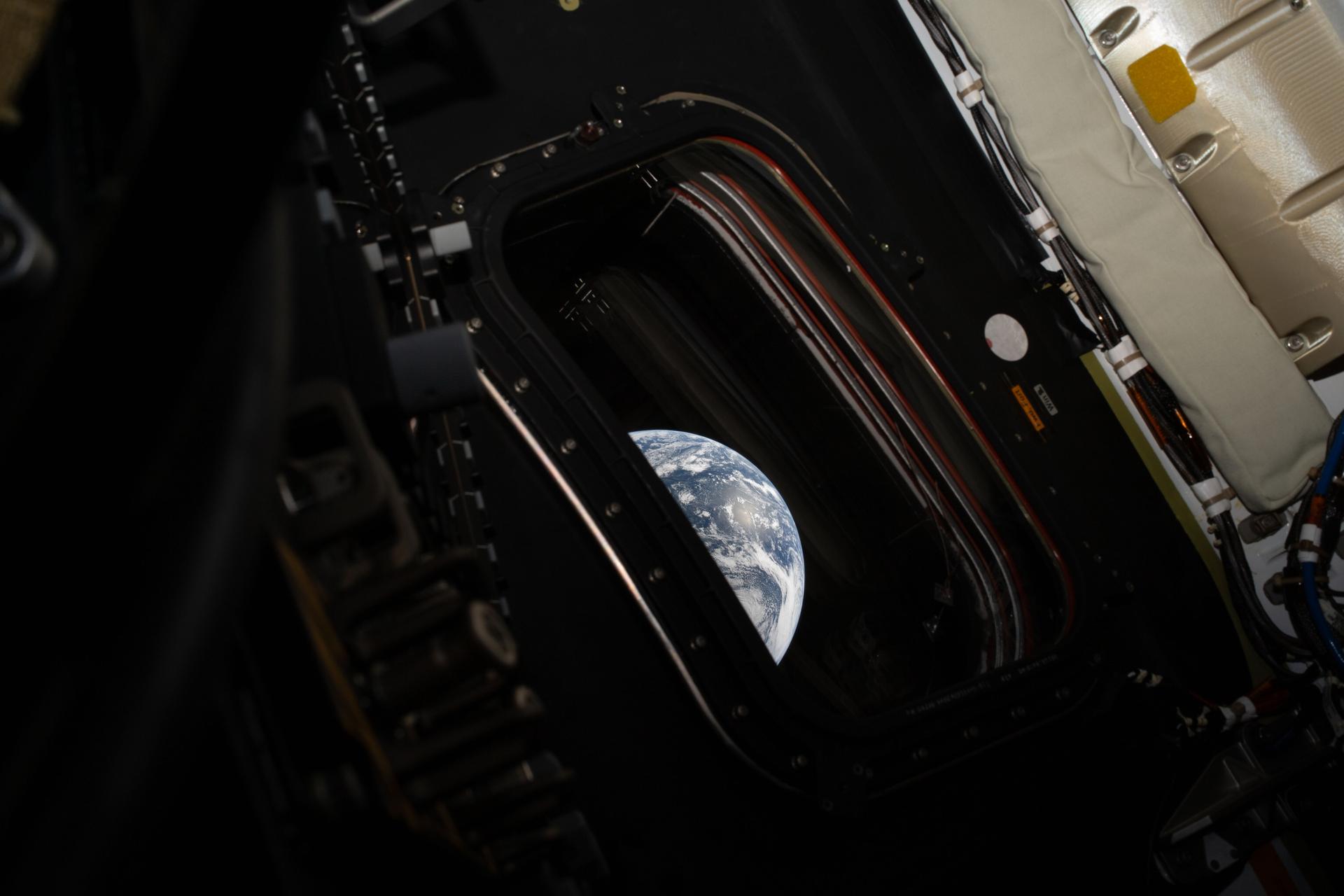
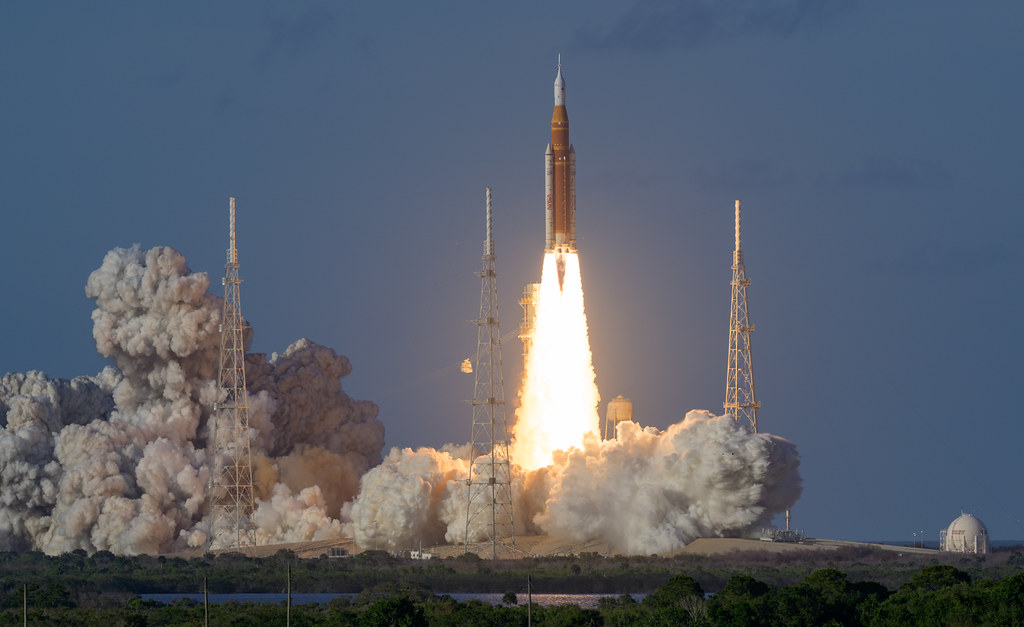
- Commander Reid Wiseman photographed an Earth crescent from the spacecraft window — the first such image since Apollo 17 in 1972
- Orion "Integrity" is midway between Earth and the Moon, traveling at approximately 2,500 mph and accelerating
- Day 6 (April 6): closest approach at 4,000-6,000 miles from the Moon — crew will photograph the lunar far side
- A solar eclipse will be visible from Orion during the flyby — a phenomenon never recorded from a crewed spacecraft
The Cancelled Burn: When "Doing Nothing" Is the Best News
On the third day of the Artemis II mission, NASA announced it had cancelled the planned Outbound Trajectory Correction Burn. This was not a problem — it was the best possible news. The Orion spacecraft "Integrity" trajectory after the Day 2 TLI (Trans-Lunar Injection) burn was so precise that no correction was needed.
According to NASA, tracking data showed Orion's flight path fell within an exceptionally narrow margin of error compared to the planned trajectory. The navigation systems and the Interim Cryogenic Propulsion Stage (ICPS) engine performed flawlessly during the TLI burn, pushing the spacecraft out of Earth orbit and onto a lunar path with accuracy that exceeded expectations.
-> In spaceflight, "no correction needed" means everything is perfect. Even a tiny deviation near Earth amplifies to thousands of miles at the Moon — skipping the correction proves the extraordinary precision of SLS and Orion.
Earth Crescent: The First Such Photograph in 54 Years
Commander Reid Wiseman photographed an Earth crescent from Orion's window as the spacecraft traveled midway to the Moon. This is the first image of Earth from beyond low Earth orbit captured by a human since astronaut Eugene Cernan took the last such photographs from Apollo 17 in December 1972.
For 54 years, only uncrewed spacecraft sent back images of Earth from such a distance. Wiseman's photograph carries immense symbolic significance — a reminder that humans are once again looking back at their planet from deep space, and this time, billions can view the image almost instantly via the internet.
-> The last time a human took a photo like this, Richard Nixon was president, the internet didn't exist, and mobile phones were science fiction. Now, this image reaches you in seconds.
What Comes Next: From Day 4 to Lunar Flyby
From Apollo 17 to Artemis II: 54 Years in the Making
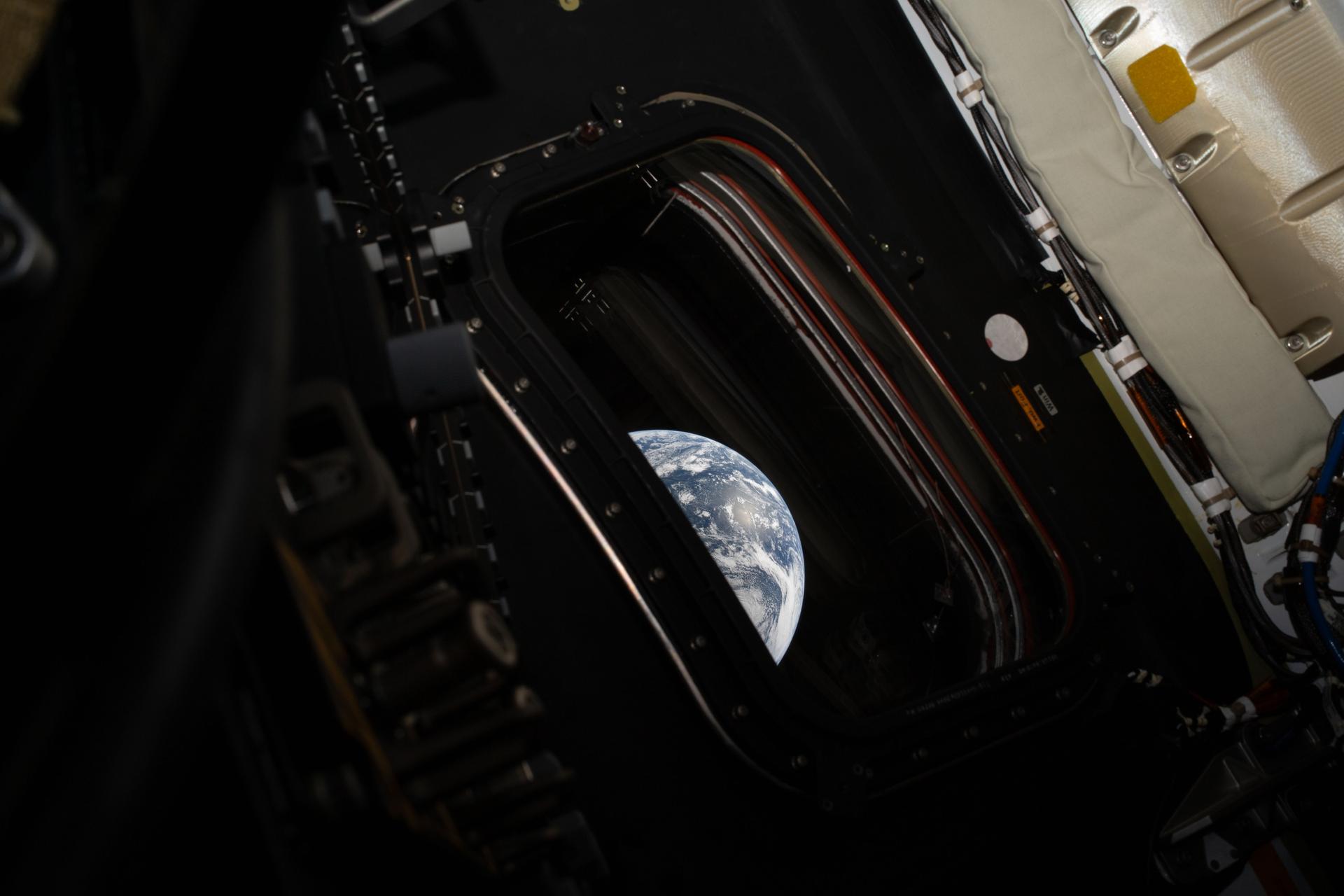
On December 14, 1972, astronaut Eugene Cernan stepped into the Apollo 17 lunar module, said the famous words "we shall return," and left the Moon. 54 years later, that promise is finally being fulfilled. Artemis II is the first step back — a flyby mission to test the Orion spacecraft and heat shield before Artemis III lands humans on the lunar surface, planned for 2027.
The Artemis II crew — Commander Reid Wiseman, Pilot Victor Glover, Mission Specialists Christina Koch and Jeremy Hansen — are writing the next chapter of history. Glover is the first person of color beyond low Earth orbit, Koch is the first woman, and Hansen is the first non-American (Canadian) to achieve this. The spacecraft is named "Integrity" — reflecting the most diverse and inclusive mission in space exploration history.
-> When Apollo 17 left the Moon, the world population was 3.8 billion and only a few thousand watched live. Today, 8 billion people can follow Artemis II on their smartphones — the first Moon mission of the connected era.
Why This Matters
Artemis II is not merely a flyby of the Moon. It is the final real-world test of the entire Artemis system before NASA sends astronauts to land on the lunar surface with Artemis III. Every system — from the heat shield, life support, navigation, to deep space communications — must work flawlessly. The fact that the trajectory was so precise on Day 3 that no correction was needed is an extremely positive sign.
Beyond science and engineering, Artemis II is a cultural milestone. For the first time in half a century, humans are seeing the Moon from its orbit with their own eyes. The images and video from this mission will shape how a new generation thinks about space — not as distant history, but as a future unfolding in real time.