Strait of Hormuz Status
Background & Context
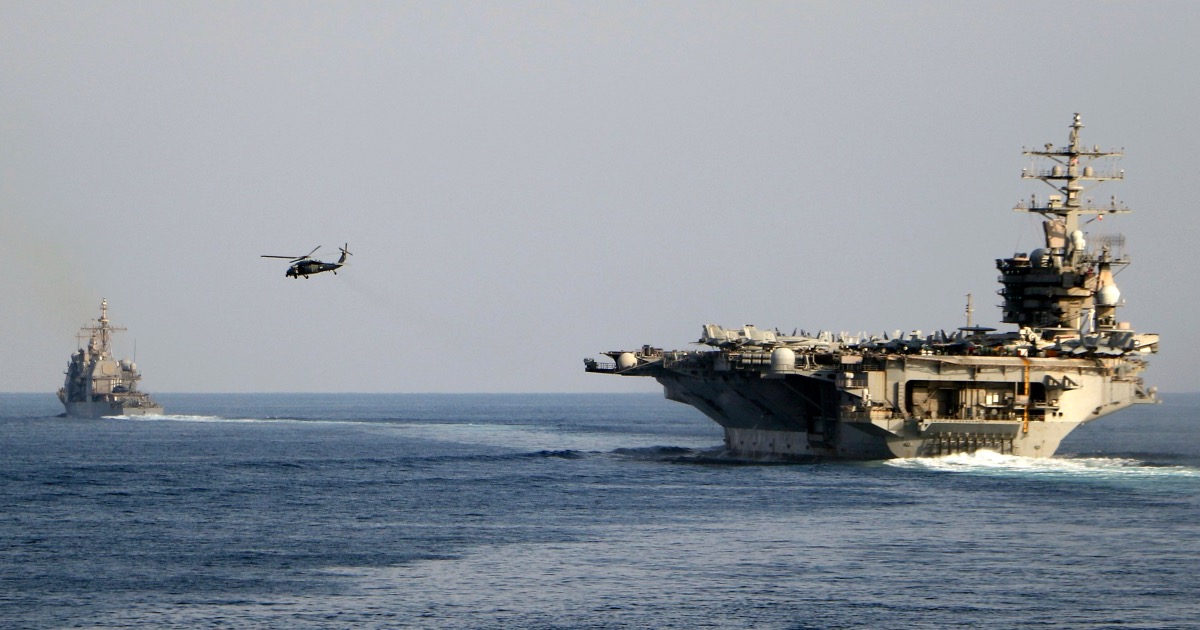
The Strait of Hormuz, a narrow waterway connecting the Persian Gulf to the Gulf of Oman, serves as the transit point for approximately 20% of the world's daily crude oil production. Since late February 2026, Iran has deployed naval forces and imposed a $2 million per-ship transit fee, bringing tanker traffic to near-zero.
In response, NATO called on allies and global partners to form a multinational maritime coalition. As of March 23, 22 nations have confirmed their participation, including the United States, United Kingdom, France, Japan, South Korea, India, the UAE, and Australia.
The coalition plans to launch military escort operations for oil tankers transiting the strait, directly challenging Iran's sovereignty claims and asserting freedom of navigation rights under the United Nations Convention on the Law of the Sea (UNCLOS).
22 Coalition Member Nations
 United States
 United Kingdom
 France
 Australia
 Japan
Japan South Korea
 India
India United Arab Emirates
 Saudi Arabia
 Canada
 Germany
 Italy
Italy Netherlands
 Norway
 Denmark
 Bahrain
 Singapore
 New Zealand
 Spain
Spain Greece
 Poland
 Turkey
Timeline of Events
Strategic Significance
The Strait of Hormuz is only about 33 km wide at its narrowest point, yet it serves as the transit route for approximately 20% of the world's daily crude oil supply. The formation of a 22-nation coalition underscores the severity of this crisis for global energy security.
For Vietnam, which imports a significant portion of its crude oil, a prolonged blockade could drive fuel prices higher and add inflationary pressure. International shipping costs are also affected as maritime routes must detour around Africa.
ZestLab analysis: This is the largest multinational maritime coalition since 1991, reflecting the global economy's dependence on this single shipping lane.