KEY TAKEAWAYS
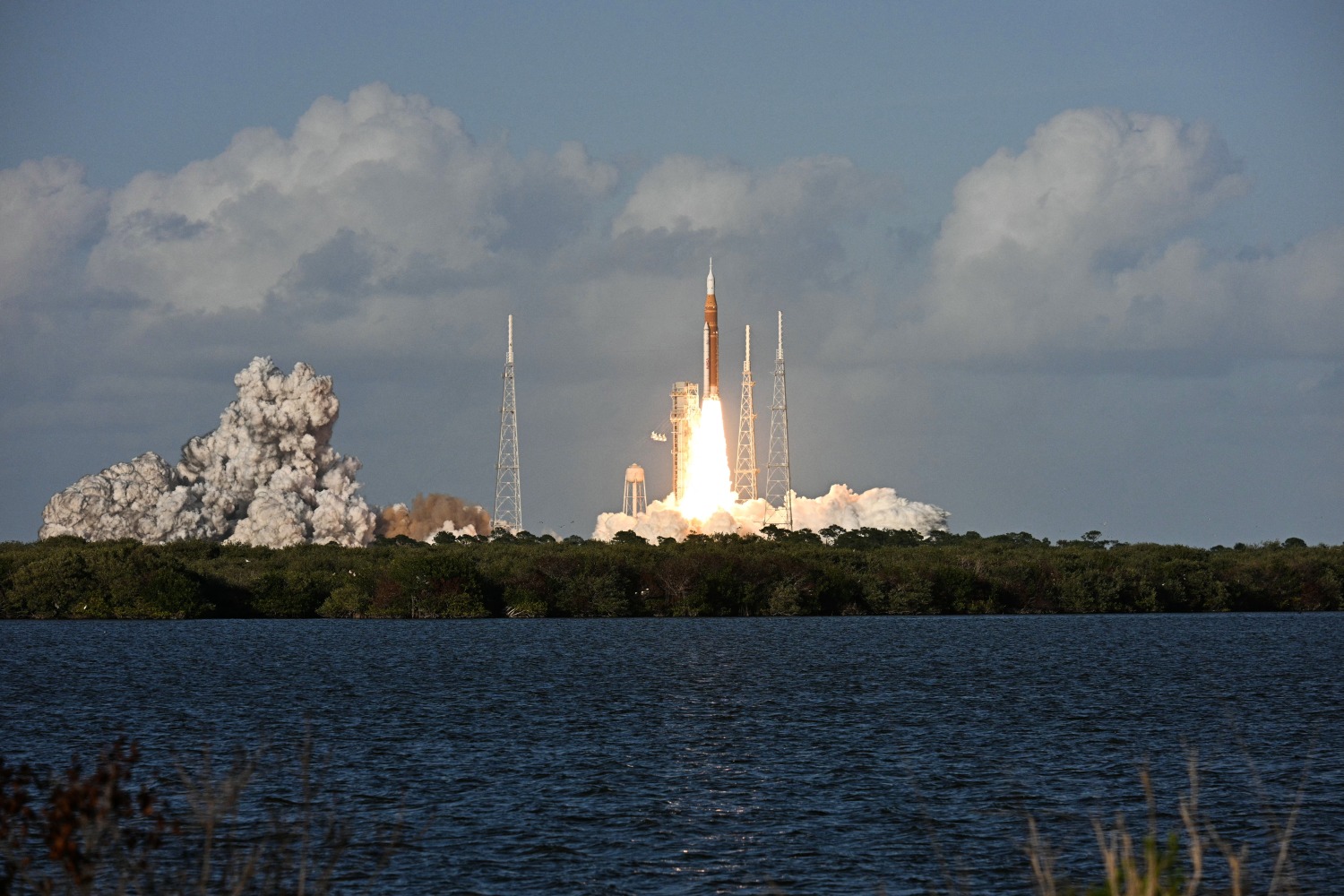
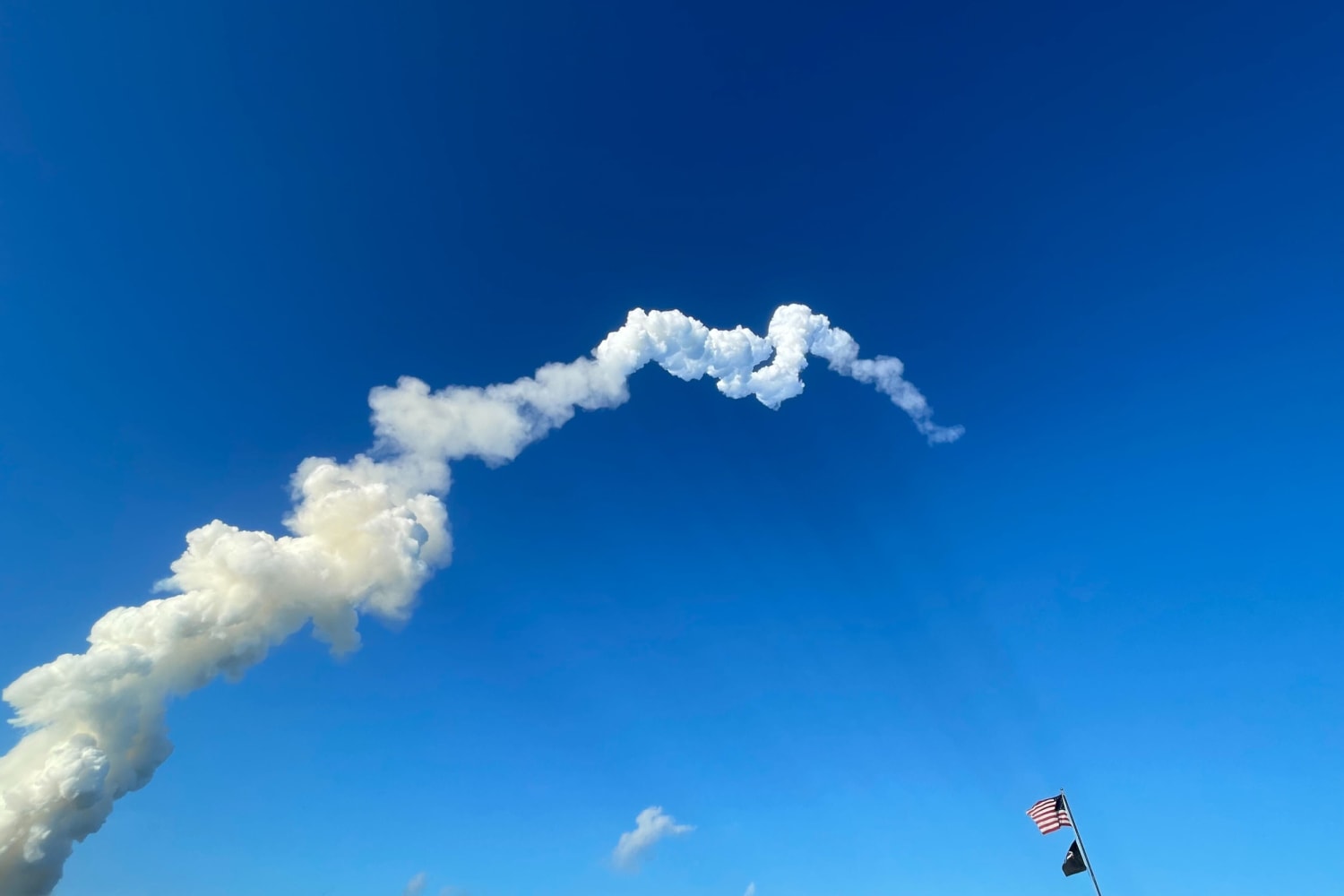
- Artemis II launched successfully at 6:35 PM ET on April 1, 2026 from Launch Complex 39B, Kennedy Space Center
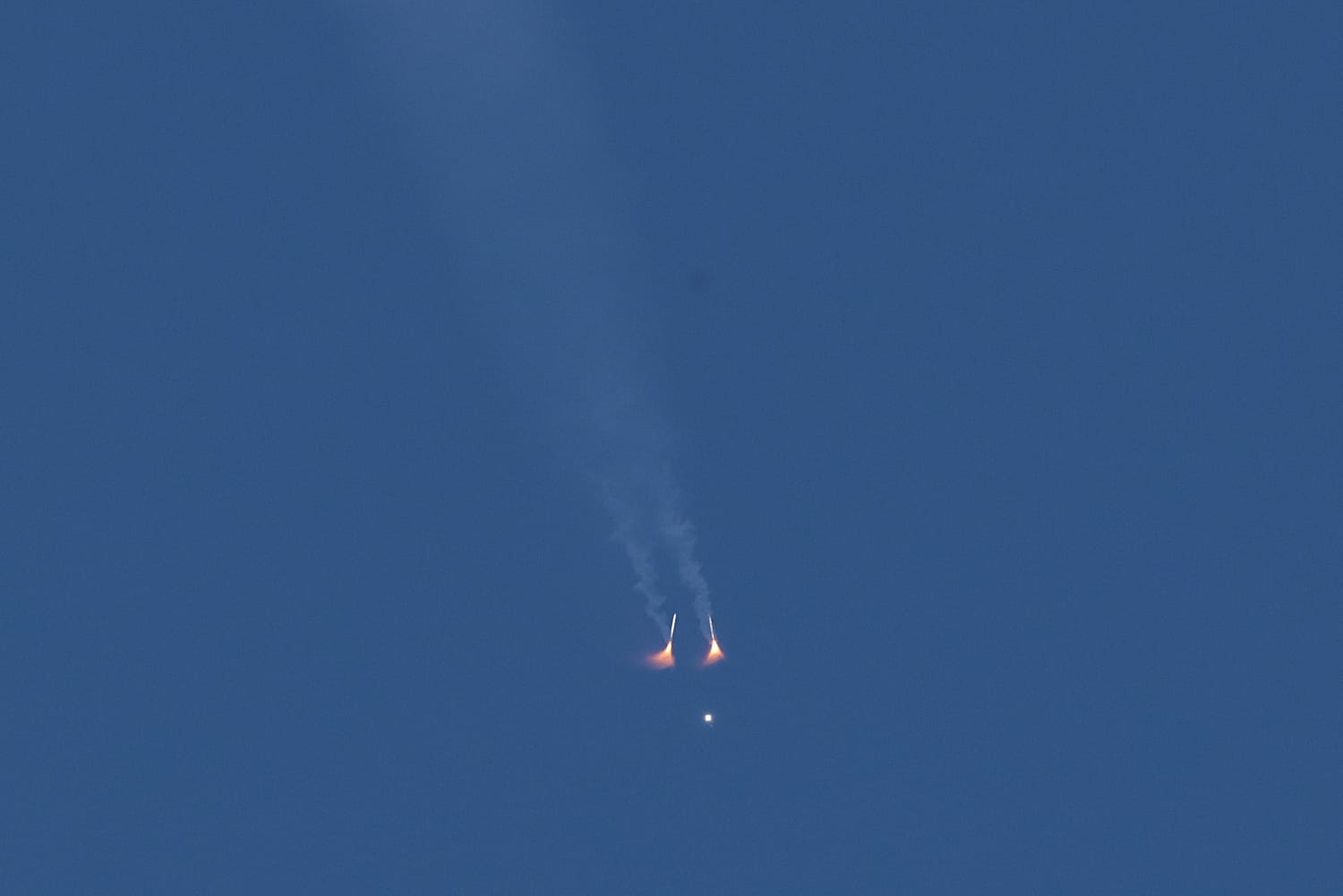
- Core stage separated at 8 minutes; orbit achieved at 9 minutes at 15,000 mph
- Day 2: all life support, navigation, and communications systems operating nominally
- 10-day mission will perform lunar flyby at 252,000 miles — the farthest humans have ever traveled
- Crew makes history: first person of color, first woman, and first non-US citizen beyond low Earth orbit
MISSION TELEMETRY — DAY 2
Day 2 Status: Everything On Track
On the second day of the Artemis II mission, the Orion spacecraft is cruising steadily at 15,000 mph toward the Moon. According to NASA, all onboard systems — including life support, navigation, and communications — are operating nominally. The solar arrays have been successfully deployed and are powering the spacecraft.
The crew is conducting systems checks and science experiments inside the Orion cabin. Live video from deep space is being streamed back to Earth — the first time since the Apollo program half a century ago. Flight surgeons are monitoring crew health from Johnson Space Center in Houston.
→ The last time humans sent video from interstellar void, the internet didn't exist. Now, billions can watch live on their phones — the first Moon mission of the digital age.
Launch Recap: April 1, 2026
Meet the Artemis II Crew
The four astronauts aboard Orion represent a fundamental shift from the Apollo era. Each member carries a historic "first," reflecting a space program more diverse and international than ever before.
→ During the Apollo era, all 24 people who flew to the Moon were white American men. Artemis II breaks all three of those barriers in a single mission.
Mission Profile: 10 Days Around the Moon
Artemis II — codenamed "The Return" — is a 10-day mission that will send the crew on a lunar flyby at 252,000 miles, the farthest any human has ever traveled. The mission will test all Orion spacecraft systems ahead of the Artemis III lunar landing planned for 2028.
→ At 252,000 miles, radio signals take about 1.3 seconds to travel from Earth to the spacecraft. If something goes wrong, the crew must respond on their own before Mission Control can help.
The Science Aboard Orion
Artemis II is not merely a test flight — it is a unique scientific opportunity. The crew is conducting experiments on the effects of deep space radiation on the human body, testing the Deep Space Network communication system, and validating Orion's new navigation software.
Notably, Orion's heat shield — the largest ever built at 5 meters in diameter — will be validated under real conditions when the spacecraft reenters the atmosphere at over 25,000 mph. External temperatures will reach approximately 2,760 degrees Celsius (5,000 degrees Fahrenheit). The success of this test determines the future of the Artemis program.
→ Radiation data from Artemis II will help NASA design better protections for long-duration missions, including the 6–9 month journey to Mars. Each astronaut wears a personal radiation dosimeter.
Historic Firsts
Artemis II is the first crewed flight of the Orion spacecraft and the first time humans have ventured beyond low Earth orbit since Apollo 17 in December 1972. To grasp that 54-year gap: when Apollo 17 landed, Richard Nixon was U.S. President, the Vietnam War was still ongoing, and Apple had not yet been founded.
Victor Glover becomes the first person of color beyond low Earth orbit. Christina Koch is the first woman. Canada's Jeremy Hansen is the first non-US citizen. Together, they represent a space program far more diverse than the Apollo era, when all 24 people who flew to the Moon were white American men.
→ Hansen is the first Canadian beyond LEO, marking expanded international cooperation through the Artemis Accords — signed by over 40 countries, including Japan, South Korea, and several ASEAN nations.
Comparison: Apollo 17 (1972) vs Artemis II (2026)
→ 54 years of technology change: Apollo 17's computer had 74KB of memory. Your phone today has over 1 million times that amount.
What Comes Next: Artemis III and Moon Landing
If Artemis II succeeds, the follow-up Artemis III mission will land astronauts on the Moon's south pole — a region no human has ever visited. SpaceX is developing the Starship Human Landing System (HLS) to serve as a transfer vehicle from lunar orbit to the surface, targeted for 2028.
The Moon's south pole is believed to contain water ice in permanently shadowed craters. Water ice can be split into hydrogen and oxygen — rocket fuel — potentially turning the Moon into a refueling station for deeper missions, including Mars.
→ ZestLab analysis: Artemis II's success is the mandatory prerequisite for landing on the Moon. Every measurement, heat shield, and life support system must work flawlessly — there are no second chances.
What This Means for Vietnam and Asia
The Artemis Accords — NASA's international framework for lunar exploration — have been signed by over 40 countries, including Japan, South Korea, India, and several ASEAN nations. Vietnam is not yet a member, but the Vietnam National Space Center (VNSC) is actively developing satellite and tracking capabilities, with multiple collaborations with Japan's JAXA.
The Artemis II mission also highlights the new space race. China returned samples from the Moon's far side (Chang'e 6, 2024) and aims to land astronauts on the Moon before 2030. India, Japan, and other nations also have active lunar exploration programs.
→ The Artemis program is projected to cost approximately $93 billion. Through the Artemis Accords, signatory nations may join the supply chain — an opportunity for Southeast Asian space tech.
Watch Live
NASA is broadcasting the Artemis II mission 24/7 via NASA TV and its website. You can watch at:
- NASA TV: nasa.gov/live
- YouTube: youtube.com/@NASA
Follow more space missions at Space Missions 2026, and read our Day 1 launch coverage at Artemis II: Launch Day.
References
- NBC News — NASA Artemis II Launch: Live Updates — April 1, 2026
- NASA Blogs — Live Artemis II Launch Day Updates — April 1, 2026
- CBS News — NASA Artemis II Launch: Live Updates — April 1, 2026