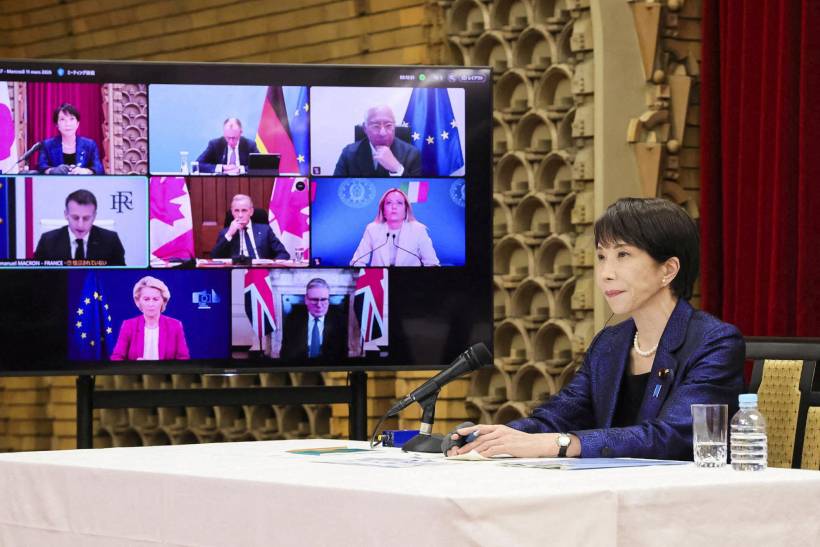
G7 Summit: Rubio Faces Allied Resistance on Iran
G7 foreign ministers convene outside Paris as Washington pushes for allied support in its campaign against Tehran — and finds itself largely alone
Key Takeaways
- Rubio arrived in France seeking a coalition for US-Israeli operations against Iran — but nearly every G7 partner declined to participate in direct military strikes.
- Trump extended the pause on strikes by 10 days to April 6, creating a narrow diplomatic window while the Pentagon considers deploying 10,000 additional troops to the region.
- The humanitarian toll continues to escalate: over 1,750 killed in Iran since February 28 — including 217 children — and 1,116 killed in Israeli strikes on Lebanon since March 2.
- Southeast Asian economies face severe disruption from the Strait of Hormuz blockade, with Rubio pressing allies to 'step up' on maritime security.
Countries need to step up. The Strait of Hormuz affects everyone — not just the United States. If you depend on that energy corridor, you have a responsibility to help keep it open.
G7 Nations — Positions on Iran Strikes
| Nation | Stance on Strikes | Hormuz Support | |
|---|---|---|---|
| United States | Leading campaign | Full commitment | |
| United Kingdom | Cautious support | Naval assets offered | |
| France | Declined strikes | Diplomatic channel | |
| Germany | Opposed | Humanitarian focus | |
| Japan | Non-participation | Energy security concern | |
| Italy | Declined | Limited logistics | |
| Canada | Declined | Sanctions preferred |
Escalation Timeline — February to April 2026
US-Israel strikes begin on Iranian nuclear sites
Coordinated strikes target enrichment facilities at Natanz and Fordow. Iran vows retaliation. International condemnation is swift but divided along familiar lines.
Israel expands operations into Lebanon
Israeli forces launch strikes against Hezbollah positions in southern Lebanon, citing preemptive defense. Lebanon's health ministry reports mounting casualties — 1,116 killed and 3,229 injured by late March.
Strait of Hormuz transit disrupted
Iran-backed forces threaten commercial shipping through the Strait of Hormuz, disrupting approximately 20% of global oil transit. Southeast Asian economies, heavily dependent on Gulf energy imports, face immediate supply chain pressure.
G7 meeting in France — Rubio pitches coalition
At Abbaye des Vaux-de-Cernay, Rubio urges G7 partners to join strikes or provide material support. Nearly all decline direct participation, though the UK signals cautious willingness to assist with Hormuz patrols.
Trump's extended strike pause expires
Trump extended the pause on strikes by 10 days to April 6, ostensibly for diplomacy. If no breakthrough occurs, the Pentagon — already weighing 10,000 additional troops — may resume full-scale operations.
Who Bears the Cost — Regional Impact
Southeast Asia — Energy Crisis
Hardest hit by Hormuz disruption. Vietnam, Thailand, and Philippines face 15-25% higher fuel import costs. Manufacturing competitiveness eroding.
Iran — Civilian Toll
1,750+ killed since Feb 28, including 217 children. Medical infrastructure under severe strain. Humanitarian corridors largely blocked.
Lebanon — Collateral Front
1,116 killed, 3,229 injured since March 2 from Israeli strikes on Hezbollah. Civilian infrastructure heavily damaged in southern regions.
Global Markets — Oil Shock
Brent crude up 30%+ since late February. Airlines, shipping, and manufacturing sectors repricing global supply chains.
US — Diplomatic Isolation
G7 refusal to join strikes leaves Washington relying almost solely on Israel. Domestic debate intensifies over unilateral action.
Europe — Balancing Act
EU members walk a tightrope between transatlantic solidarity and opposition to military escalation. France and Germany lead push for diplomatic resolution.
Frequently Asked Questions
References
- Washington Post — G7 allies resist Rubio push for Iran coalition (March 2026)
- NPR — Trump extends Iran strike pause to April 6 (March 2026)
- Modern Diplomacy — G7 France summit analysis (March 2026)
- France24 — G7 foreign ministers meet at Vaux-de-Cernay (March 2026)
- CNN — Pentagon weighs 10,000 additional troops for Middle East (March 2026)