Trump Declares Naval Blockade of Hormuz After Iran Talks Fail
After 21 hours of failed talks in Islamabad, Trump orders US Navy blockade of Strait of Hormuz. Oil surges 8%.
Published: April 13, 2026
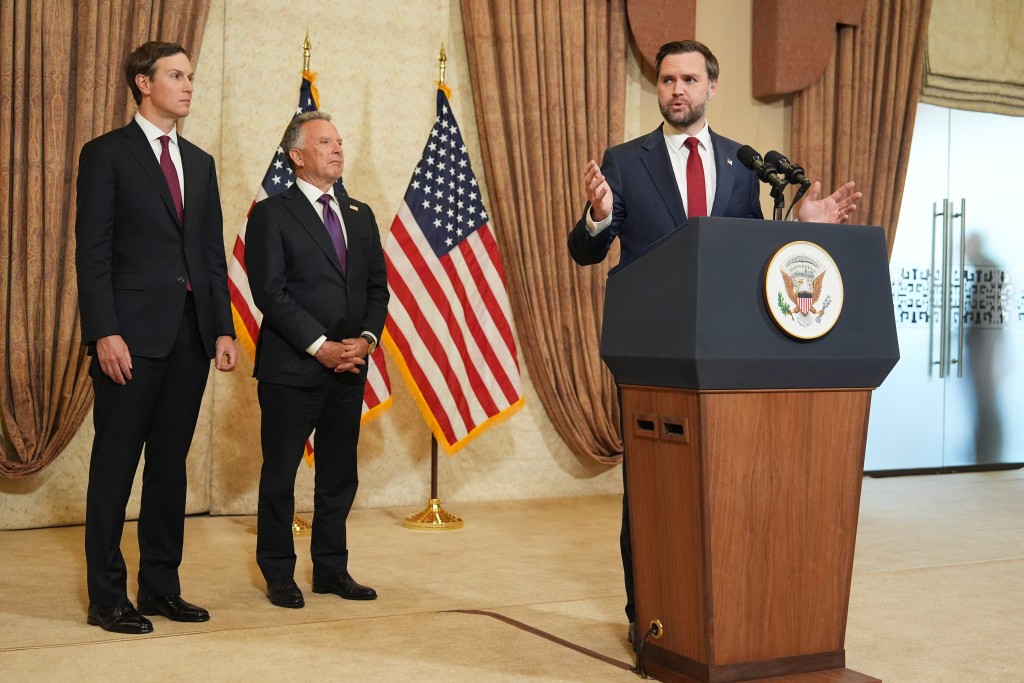
Photo: NBC News -- Vice President Vance in Islamabad
Timeline: From Talks to Blockade
US Delegation Arrives in Islamabad
Vice President JD Vance leads a delegation including Jared Kushner and Steve Witkoff to the Pakistani capital for direct negotiations with Iran. Prime Minister Shehbaz Sharif serves as mediator.
Global stock markets rose 1-2% on peace expectations.
21-Hour Talks Collapse
After 21 continuous hours of negotiations, Iran refuses to relinquish its uranium enrichment program. The US demanded comprehensive monitoring of nuclear facilities -- a condition Iran viewed as a sovereignty violation. Both sides left the table without agreement.
Brent crude jumped 3% during Asian trading hours.
Trump Orders Blockade
President Trump announces a naval blockade of the Strait of Hormuz, calling it 'the strongest measure short of full-scale war.' The USS Gerald Ford carrier strike group is ordered to deploy immediately.
Brent crude surged another 8%, breaking past $110 per barrel.
CENTCOM: Blockade Effective
US Central Command (CENTCOM) declares the blockade officially effective from 00:00 UTC April 13. All cargo vessels transiting the strait must submit to inspection. China and Russia jointly condemn the action.
If you fill 50 liters of fuel weekly in Vietnam, costs could rise by $6-8 per month if the blockade persists.
Why the Talks Collapsed
After 21 continuous hours of negotiations in Islamabad mediated by Pakistan Prime Minister Shehbaz Sharif, the two sides could not bridge the gap on one core issue: Iran's nuclear program.
US Demands
- Comprehensive monitoring of all nuclear facilities
- Complete halt of uranium enrichment above 3.67%
- Unlimited IAEA inspector access
- Legally binding commitment against nuclear weapons
Iran's Position
- Uranium enrichment is a sovereign right under NPT
- Rejected international inspectors at military sites
- Demanded full sanctions relief before concessions
- Nuclear facilities serve civilian purposes, not weapons
Vice President Vance described Iran's stance as 'unacceptable given the current security environment.' Iran countered that the US was imposing colonial-era conditions. Prime Minister Sharif expressed disappointment but said Pakistan remains ready to continue mediating.
Blockade Operations Detail
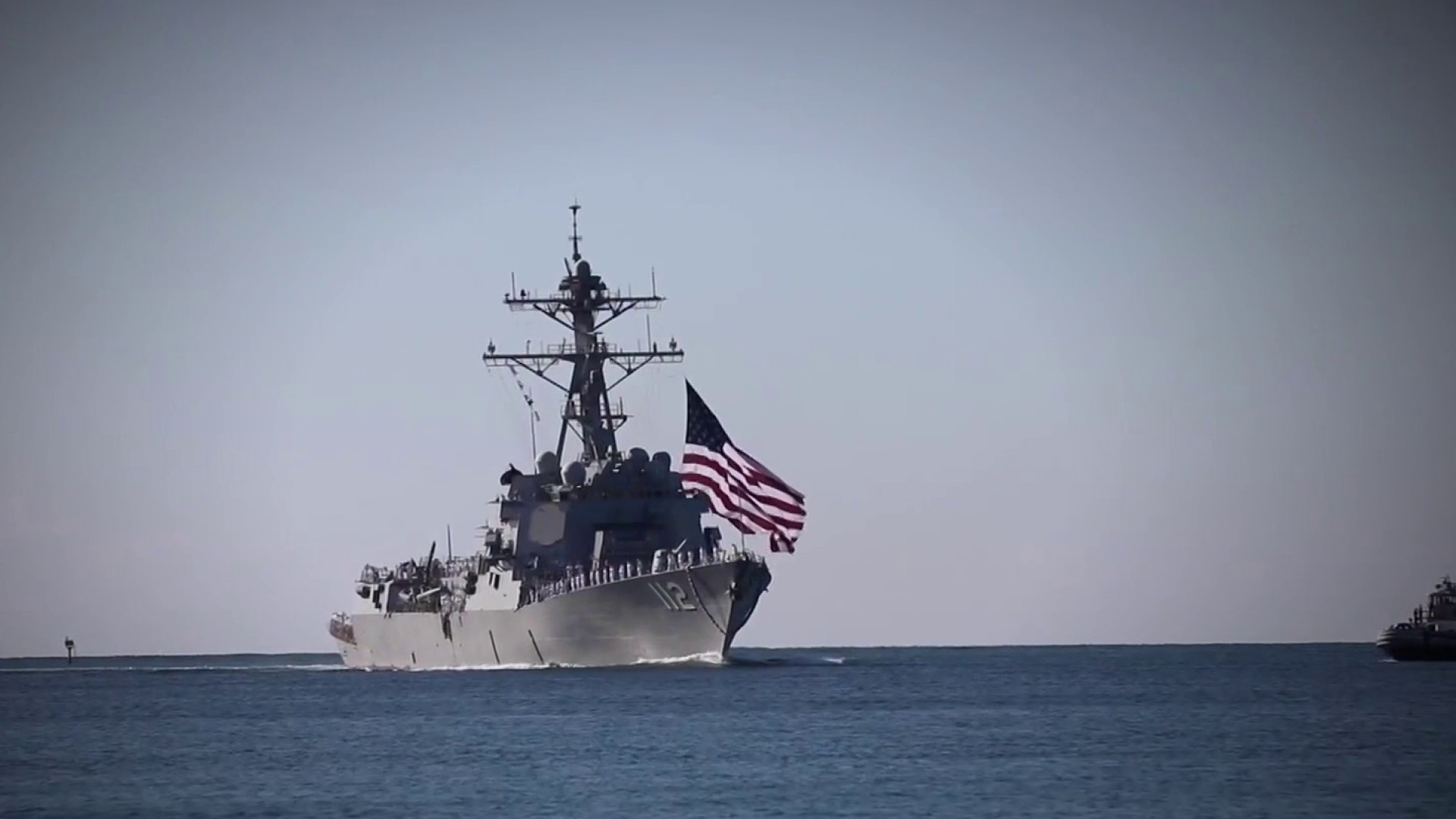
Photo: NBC News / CENTCOM -- Blockade announcement
US Central Command (CENTCOM) declared the blockade officially effective from 00:00 UTC on April 13, 2026. The USS Gerald Ford carrier strike group, along with at least 2 Arleigh Burke-class destroyers and 1 attack submarine, established a control zone around the strait.
Deployed Forces
All cargo vessels transiting the strait must stop for inspection. Vessels flying the Iranian flag or carrying cargo bound for Iran will be denied passage. The Iranian navy declared readiness to 'defend territorial sovereignty' but has not taken direct confrontational action.
Oil Market Reaction
Brent crude surged approximately 8% immediately after the blockade announcement, jumping from around $102 per barrel to above $110. WTI crude saw a similar increase, breaching $107 per barrel. This marked the largest single-day gain since the US-Iran conflict erupted in March 2026.
According to energy analysts, if the blockade lasts more than 2 weeks, oil prices could exceed $120 per barrel -- a level not seen since 2022. Net oil-importing countries like India, Japan, South Korea, and Vietnam would bear the heaviest impact.
Strait of Hormuz: The World's Energy Lifeline
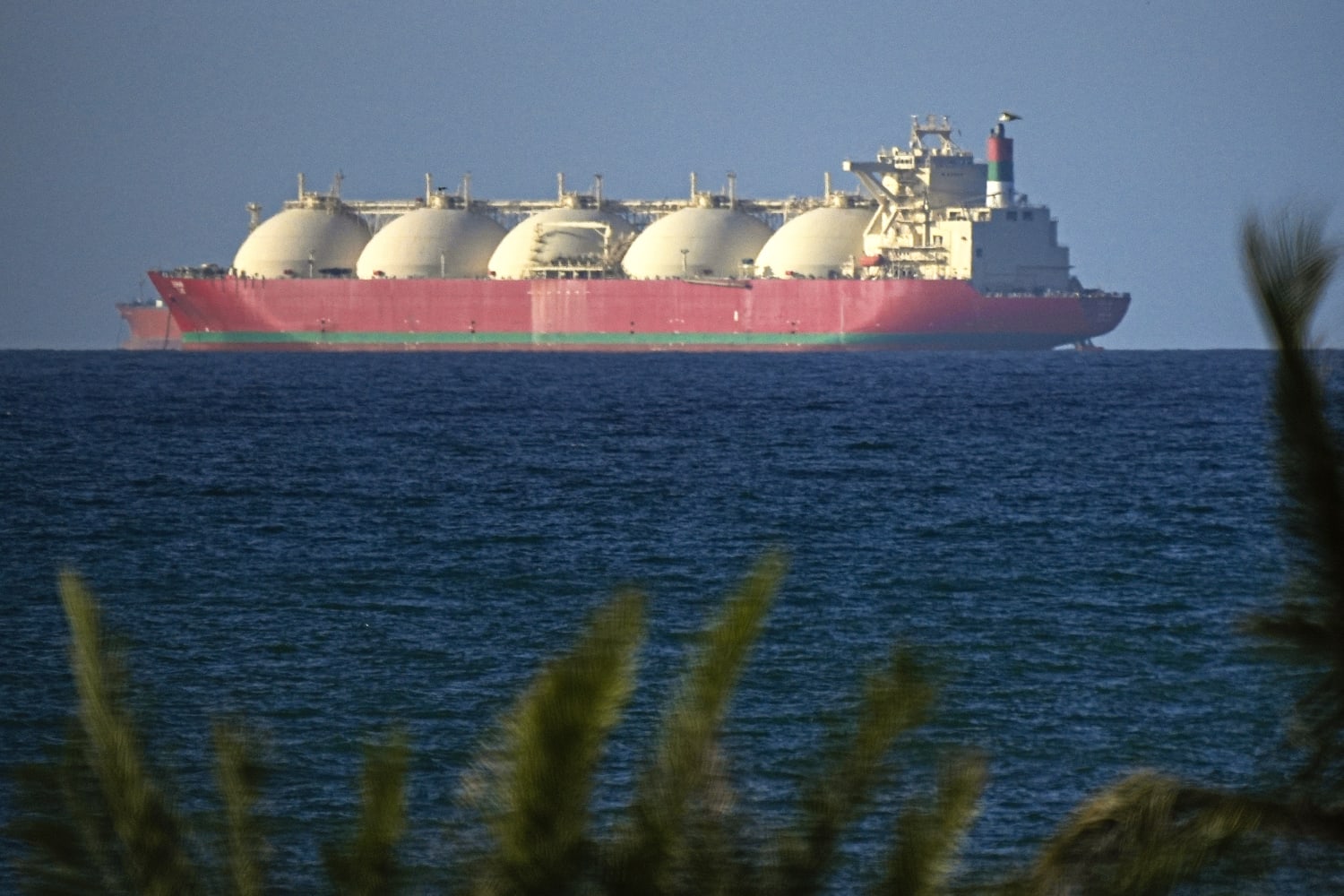
Photo: NBC News -- Aerial view of Strait of Hormuz
The Strait of Hormuz lies between Iran and Oman, only about 33 km wide at its narrowest point. Each day, approximately 20-21 million barrels of oil -- equivalent to 20% of global oil supply -- transit through this waterway. Any disruption creates an energy shock that reverberates worldwide.
Hormuz by the Numbers
International Responses
China's Foreign Ministry called the blockade 'hegemonic behavior violating international maritime law.' China imports approximately 40% of its oil through Hormuz.
Russia labeled the blockade a 'dangerous escalation' and called for an emergency UN Security Council session. However, Russia benefits from higher oil prices.
NATO allies have not formally endorsed the blockade. The European Union expressed concerns about energy security implications.
The OPEC Secretary General urged all parties to 'ensure uninterrupted oil flows' and warned of global economic consequences.
PM Sharif expressed disappointment but committed that Pakistan remains ready to host further negotiations if both sides agree to return to the table.
Impact on Vietnam
Vietnam is a net oil importer heavily dependent on Middle Eastern supply transiting the Strait of Hormuz. The naval blockade will impact the economy through multiple transmission channels.
Fuel Prices
Retail fuel prices could rise 15-20% if the blockade lasts over 2 weeks. Each household with a motorbike would spend an additional $6-12/month on gasoline.
If you commute 30 km daily by motorbike, monthly fuel costs increase by roughly $8.
Shipping
Container costs from the Middle East rise 30-50% as vessels detour around the Cape of Good Hope or wait for inspections. Delivery times extend 7-14 days.
Prices for imports from Europe and the Middle East will gradually increase over the next 3-4 weeks.
Inflation
The State Bank estimates a 10% oil price increase adds 0.3-0.5 percentage points to CPI. The 4% inflation target for 2026 is at risk.
Food and consumer goods prices will follow with a 1-2 month lag.
What Happens Next?
The situation continues to evolve rapidly. Analysts outline several possible scenarios for the days and weeks ahead.
Pressure from China, OPEC, and oil markets could force both sides to compromise. Pakistan continues as mediator. Timeline: 1-2 weeks.
Both sides hold firm. Oil prices continue climbing. Iran's navy conducts exercises near the strait but avoids direct confrontation. Tensions persist for weeks.
An uncontrolled incident -- a warship collision, an accidental shot -- could trigger direct conflict. Low probability but extremely severe consequences.
Related Coverage
Sources
- NBC News -- Live Updates: US-Iran Fail to Reach Deal After Day of Negotiations (April 12, 2026)
- Axios -- Trump Orders Naval Blockade of Iran's Strait of Hormuz After Peace Talks Collapse (April 12, 2026)
- NPR -- U.S.-Iran Peace Talks in Islamabad Collapse (April 12, 2026)
ZestLab analysis based on public sources as of April 13, 2026. Situation may evolve rapidly.
Frequently Asked Questions
More from this topic— US-Iran Conflict
Related Topics
Stay on top of trends
Bookmark this page and check back often for the latest updates and insights.