Vance Heads to Pakistan for April 10 Iran Peace Talks
VP JD Vance travels to Islamabad April 10 for talks brokered by Pakistan. Agenda: permanent ceasefire, Lebanon, Hormuz, nuclear program, sanctions.
Published: April 9, 2026
Key Takeaways
Pakistan: The Unlikely Mediator
Prime Minister Shehbaz Sharif formally invited both delegations to Islamabad on April 10, 2026. Pakistan occupies a unique position: it shares a border with Iran, is a strategic US ally, and maintains economic ties with both sides. Sharif spoke with both President Trump and Supreme Leader Khamenei before extending the invitation.
The venue is expected to be the Prime Minister’s Guest House in Islamabad, which has hosted numerous high-level negotiations before. Pakistan has also pledged full security guarantees for both delegations.
Vance: First Diplomatic Test
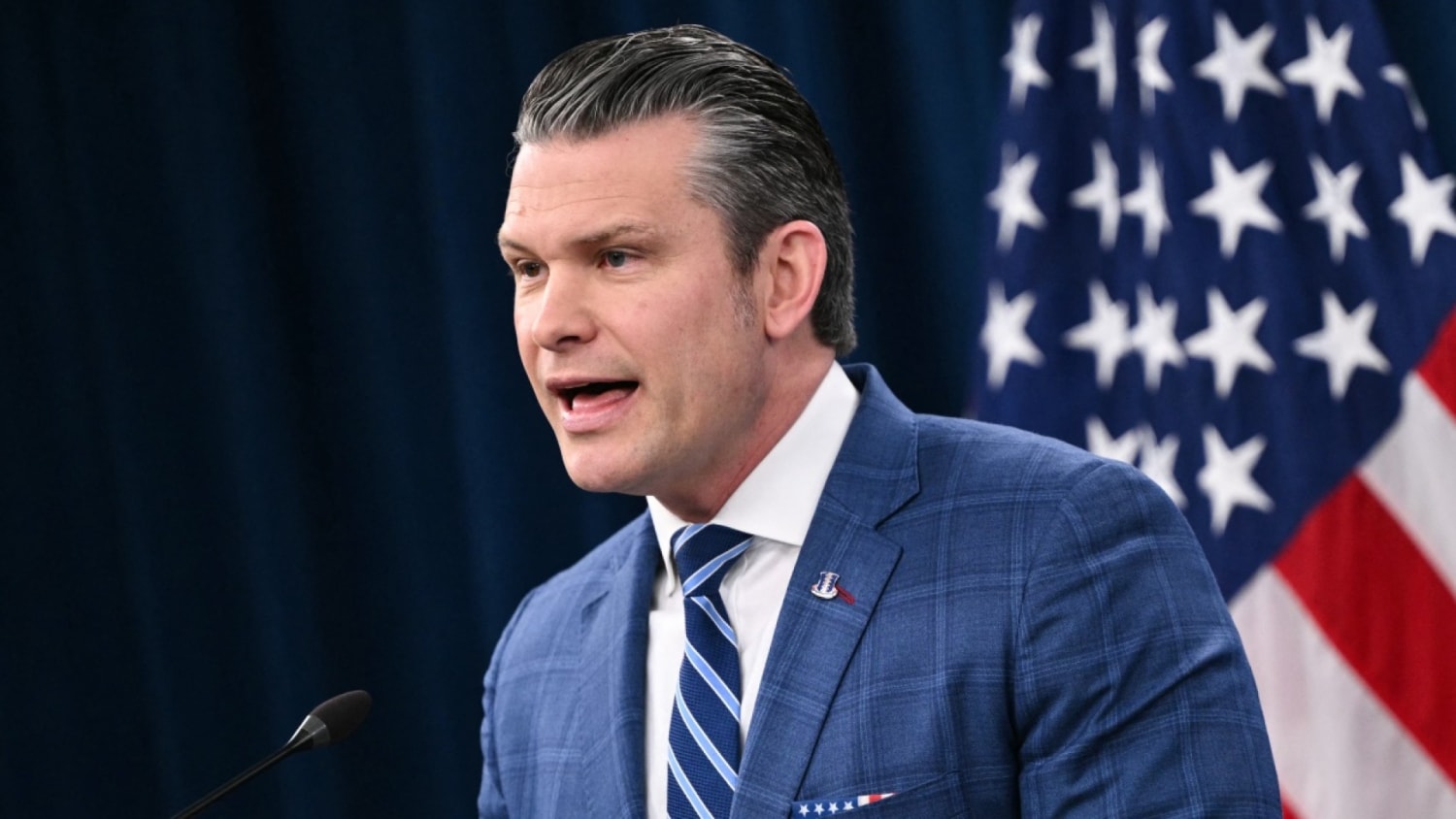
Vice President JD Vance will lead the US delegation — this is his first high-profile diplomatic trip since taking office. Vance has warned of “serious consequences” if talks fail, but has also signaled willingness to engage in dialogue.
The US delegation is expected to include officials from the State Department, the National Security Council, and senior military advisors. This signals Washington views these talks as a serious opportunity, not merely diplomatic theater.
According to NBC News, Vance held direct briefings with US Army and Navy generals in the Persian Gulf before departing. The USS Mercy has been deployed, along with carrier groups — a contingency plan should diplomacy collapse.
5 Agenda Items on the Table
Freedom-of-navigation guarantees, international monitoring, and a commitment to no blockades. Iran wants to trade this for sanctions relief.
The US demands full IAEA inspections and a freeze on uranium enrichment above 60%. Iran insists on its sovereign right to a peaceful nuclear program.
A roadmap for gradual sanctions removal: Phase 1 covers energy and food, Phase 2 covers financial, Phase 3 covers arms. Each phase is tied to verifiable milestones.
Lebanon’s inclusion is the key sticking point: Iran wants Hezbollah inside a comprehensive deal, while the US prefers to separate the issues to simplify negotiations.
Mutual non-aggression commitments, withdrawal from forward positions, and establishing direct communication channels to prevent unintended escalation.
Lebanon: The Deal-Breaker
The Lebanon and Hezbollah question is the single biggest obstacle on the negotiating table. Iran insists that any deal must include Hezbollah and its allied forces in Lebanon. Meanwhile, the US and Israel demand that the Lebanon issue be separated from the bilateral US-Iran talks.
According to Al Jazeera, France, Germany, and the UK are lobbying for a separate mediator role on the Lebanon question, creating a “parallel negotiation track” running alongside the main Islamabad talks. This approach could let both sides save face.
Hormuz Strait: Freedom of Navigation
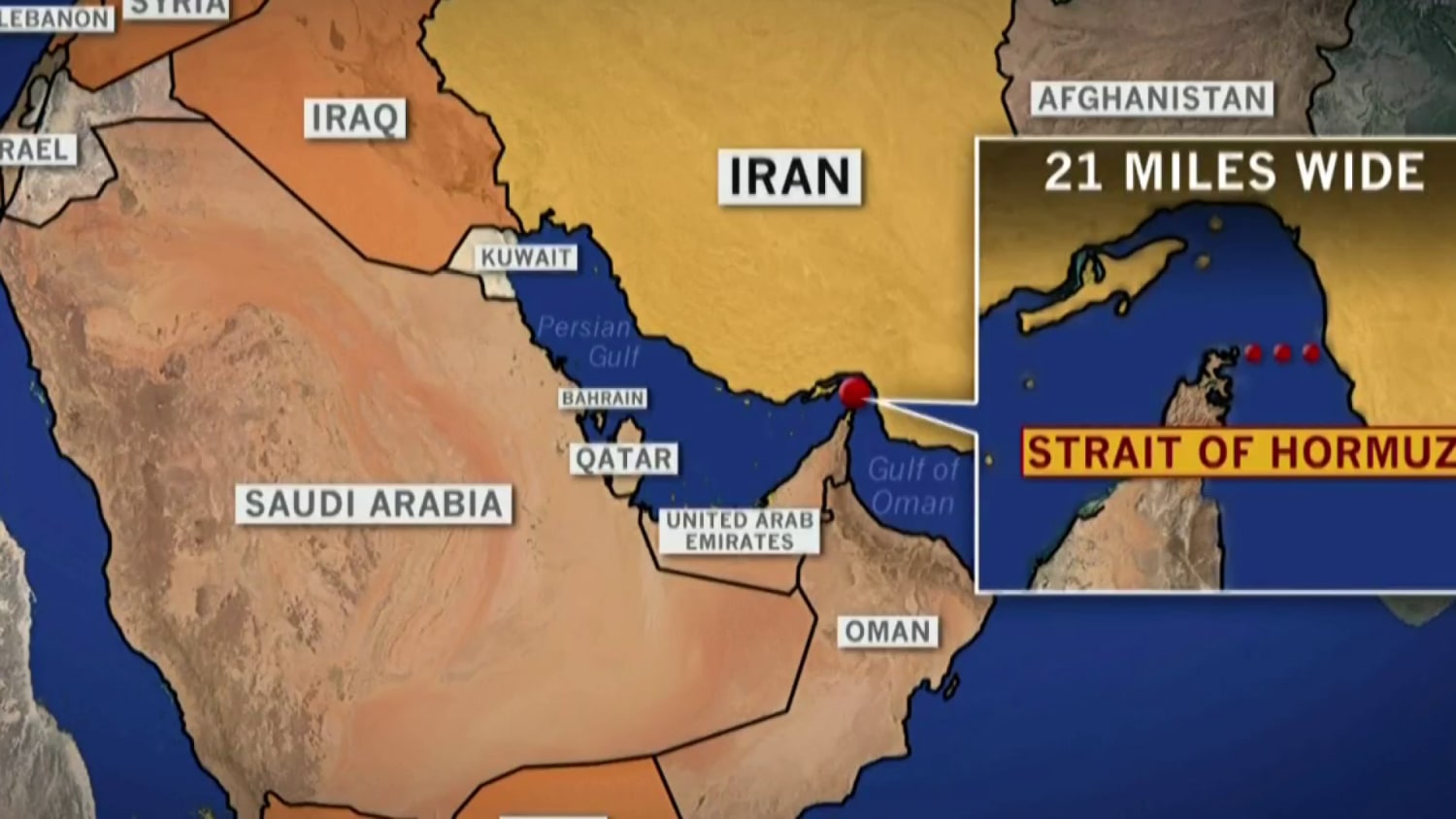
The Strait of Hormuz handles roughly 21% of the world’s oil trade. Iran’s blockade during the conflict triggered a global energy crisis, pushing oil prices to their highest since 2022. Any deal must include explicit commitments on freedom of navigation.
The options under discussion include: a multinational monitoring force, a commitment not to attack commercial shipping, and a rapid dispute resolution mechanism. Gulf states — Saudi Arabia, UAE, Qatar — are all pressuring for guarantees that Hormuz will never be blocked again.
The Nuclear Calculation
Iran’s nuclear program has advanced significantly since the JCPOA collapsed. Iran has now enriched uranium to 60%, just a short technical step from weapons-grade (90%). The US demands an immediate freeze and unannounced IAEA inspections. Iran demands sanctions relief before accepting any restrictions.
This is the classic “chicken-or-egg” cycle in arms control negotiations. The most viable solution is an “action-for-action” approach: Iran freezes enrichment while the US lifts energy sanctions — simultaneously, so neither side goes first.
Sanctions Relief Roadmap
A three-phase sanctions removal roadmap is under discussion. Phase 1 (0-3 months): lift energy and food sanctions, allow limited oil exports. Phase 2 (3-9 months): lift financial sanctions, reopen SWIFT banking channels. Phase 3 (9-18 months): lift arms sanctions, normalize diplomatic relations.
Each phase is tied to verifiable milestones: IAEA inspections, Hormuz ceasefire compliance, and military drawdowns. If Iran violates terms, sanctions automatically snap back — a “snapback” clause similar to the JCPOA but stricter.
Vance vs. the Generals
Within the Trump administration, there is a split between the diplomatic camp led by Vance and the military camp. Pentagon generals favor maximum pressure and are reluctant to make concessions. Vance, however, argues that a deal — even an imperfect one — is better than escalation.
The Supreme Leader’s son — Mojtaba Khamenei — was spotted at ceasefire celebrations in Tehran. This suggests the Iranian regime is also preparing for a diplomatic pivot, although there is internal opposition from IRGC hardliners.
Three Possible Scenarios
Both sides reach a framework agreement with a clear roadmap. Hormuz reopens, nuclear freeze begins, sanctions start lifting. Probability: 25-30%. Impact: oil prices drop 10-15%, global markets rally.
The Lebanon or nuclear issue breaks the talks. Vance leaves Islamabad empty-handed. Military escalation resumes. Probability: 30-35%. Impact: oil prices spike, regional crisis deepens.
No formal deal but both sides agree to extend the ceasefire and continue talking. The fragile status quo persists. Probability: 35-40%. Impact: markets remain jittery, oil prices trade sideways amid lingering anxiety.
Related Coverage
References
This article is compiled from international news sources. ZestLab analysis is based on publicly available data. The situation may evolve rapidly.
More from this topic— US-Iran Conflict
Explore ZestLab Tools
Related Topics
Stay on top of trends
Bookmark this page and check back often for the latest updates and insights.